Humanoid home robots are available for early orders, but useful autonomy, household privacy and price remain major obstacles to adoption.
The robot housekeeper is getting closer
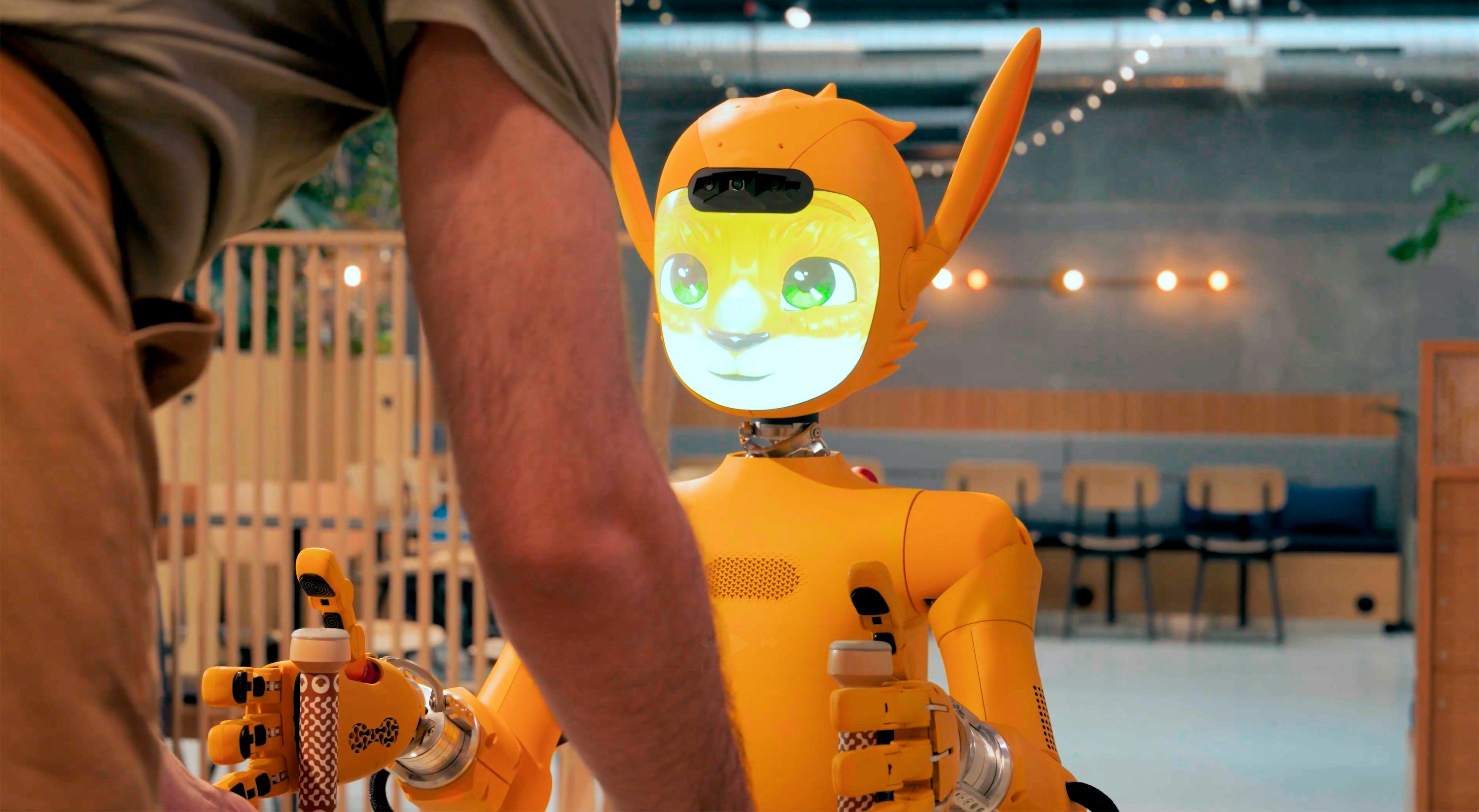
Companies are moving beyond robot vacuums and lawn mowers to humanoid machines that can walk through homes and help with chores. The 1X NEO is among the most visible early offerings. The manufacturer advertises U.S. deliveries beginning in 2026, a $20,000 early-access purchase option and a $499 monthly subscription.
An advertised launch is not the same as proven large-scale distribution. For home robots, safe handling of fragile objects, unexpected obstacles, pets, clutter and children matters far more than a polished demonstration video.
How independent are they?
1X says NEO can perform some tasks autonomously and learn more over time. For work it cannot do independently, the company offers scheduled Expert Mode, where a human can remotely supervise actions. That is a useful capability, but it shows why today's home humanoids should not yet be described as completely independent housekeepers.
A robot that must ask for help during a complex chore is fundamentally different from a product that reliably completes a family's entire daily routine.
Privacy belongs in the purchase decision
A connected robot with sensors and remote control potentially sees and hears private moments in a home. Before buying, ask who can access camera feeds, when remote operations start, how consent works, how long recordings are stored and what controls exist to disable or delete access.
Consider the less glamorous factors: Wi-Fi failures, battery charging, repair availability, secure updates, subscription terms and whether a device is safe around pets and visitors.
Who should buy one now?
Early adopters who understand the cost, limits and privacy tradeoffs may find the technology compelling. Most households can still get more predictable value from dedicated appliances designed for one task. The near-term story is not a robot in every home; it is whether early models can perform everyday chores dependably enough to earn trust.
Sources linked below; this report is dated and does not update automatically.
Cover photograph: Editorial photograph via Unsplash; illustrative image, not a photograph of the reported event.