
The fear is understandable: one capable AI system now writes, analyzes, translates, designs and handles first-line questions. But 'AI can perform part of my job' and 'my job disappears' are different claims. By late 2026, the evidence points to uneven disruption, not one clean date when a machine replaces everybody.
What you need to know
- The International Labour Organization says roughly one in four workers holds an occupation with some generative-AI exposure; exposure is not a forecast of layoffs.
- The World Economic Forum projects significant job creation and displacement through 2030 across many forces, not only AI.
- Your best defense is the ability to supervise tools, verify outcomes and deliver work that requires real-world judgment.
The task is the target—not always the job
Think in tasks instead of titles. A bookkeeper might automate categorization but still need to investigate anomalies, protect records and explain findings. An IT technician may draft diagnostics with AI but must still verify hardware, obtain consent and take responsibility for changes. Some jobs will shrink, some will grow and others will be reorganized around new workflows.
The ILO's 2025 assessment examined tens of thousands of tasks. Its researchers explicitly caution against interpreting occupational exposure as a count of jobs that will be lost. A separate April 2026 ILO brief repeats that limitation. The most exposed work may be reshaped, reduced or augmented depending on how an employer uses technology.
Which careers face the most pressure?
Routine, repeatable digital outputs are an obvious pressure point: simple copy drafts, basic data formatting, templated customer replies, standardized research summaries and predictable administrative processing. Highly specialized judgment is not automatically protected, either. AI can make portions of legal, finance, design and programming work faster, changing how many people a team needs.
On the other hand, complex troubleshooting, trust-based client relationships, management, physical installation, caregiving, fieldwork and accountability under uncertainty introduce additional constraints. That does not make those occupations 'AI-proof.' It means their work is harder to reduce to a single prompt.
What the latest numbers really say
The World Economic Forum's 2025 Future of Jobs report models 170 million new roles and 92 million displaced worldwide by 2030 for a net increase of 78 million, influenced by technology, demographics, economic change and the energy transition. Those are survey-driven projections—not guaranteed outcomes.
Stanford researchers tracking 2026 labor-market signals report weakness in some AI-exposed employment categories, but economic data does not establish that AI alone caused each decline. Hiring cycles, interest rates, business demand and broader restructuring all matter. Treat any headline promising that a certain profession is finished as an invitation to inspect the underlying evidence.
The five habits of people who adapt fastest
Become excellent at the core work first. Then learn to use AI as a drafting, analysis or automation assistant; document where it helps and where it fails. Practice explaining your reasoning to another person. Build a portfolio demonstrating measurable outcomes, not only AI-generated text. Finally, keep a second valuable skill—communication, sales, security, repair, training or domain expertise—that connects technology to a real customer problem.
A practical example: instead of writing 'used ChatGPT' on a résumé, describe a workflow you redesigned, how you verified accuracy, what human approvals remained, and how much time it actually saved. Never claim a percentage improvement you did not measure.
SJK verdict: prepare for change without surrendering to hype
The reasonable forecast is not that every career survives untouched. Some workers will face displacement and many more will see their responsibilities shift. But a career strategy built around perpetual fear is no strategy at all. The better question is: which part of your work can you become unusually good at verifying, integrating and improving?
Start with our 30-day AI career survival plan and choose one real task you can automate responsibly this week.
Sources, specifications & further reading
SJK wrote this article as independent editorial analysis or educational guidance, based on the following published materials. Specifications and prices can change; always verify the current vendor documentation before acting.
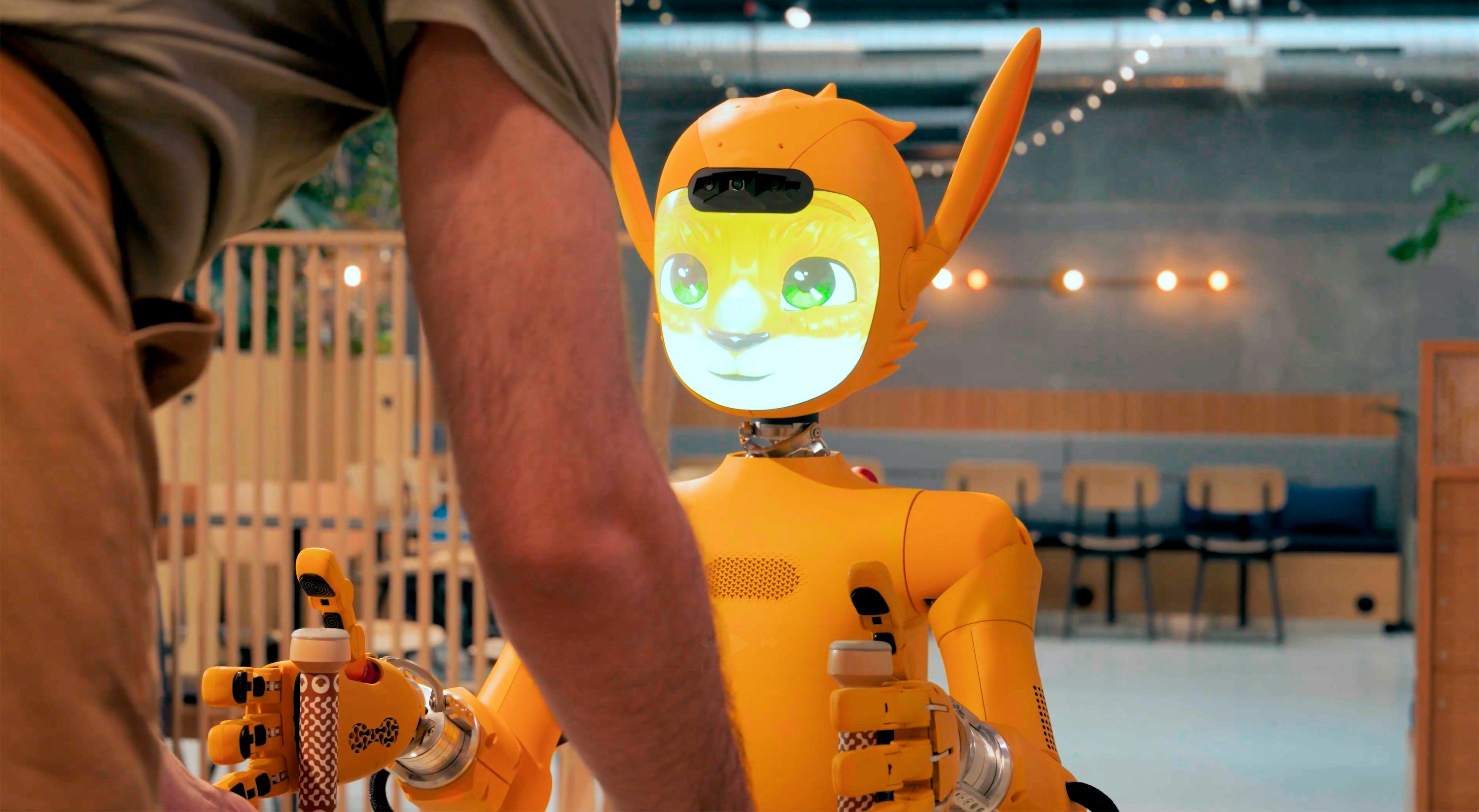
Cover photograph: Editorial photograph via Unsplash; illustrative image, not a photograph of the reported event.
Need a second set of eyes?
Guides are free and self-service. SJK offers remote support nationwide and on-site work in the Dallas–Fort Worth area, with scope and pricing confirmed before paid service.
REQUEST SJK SUPPORT ↗EXPLORE THE BUILD LAB ↗