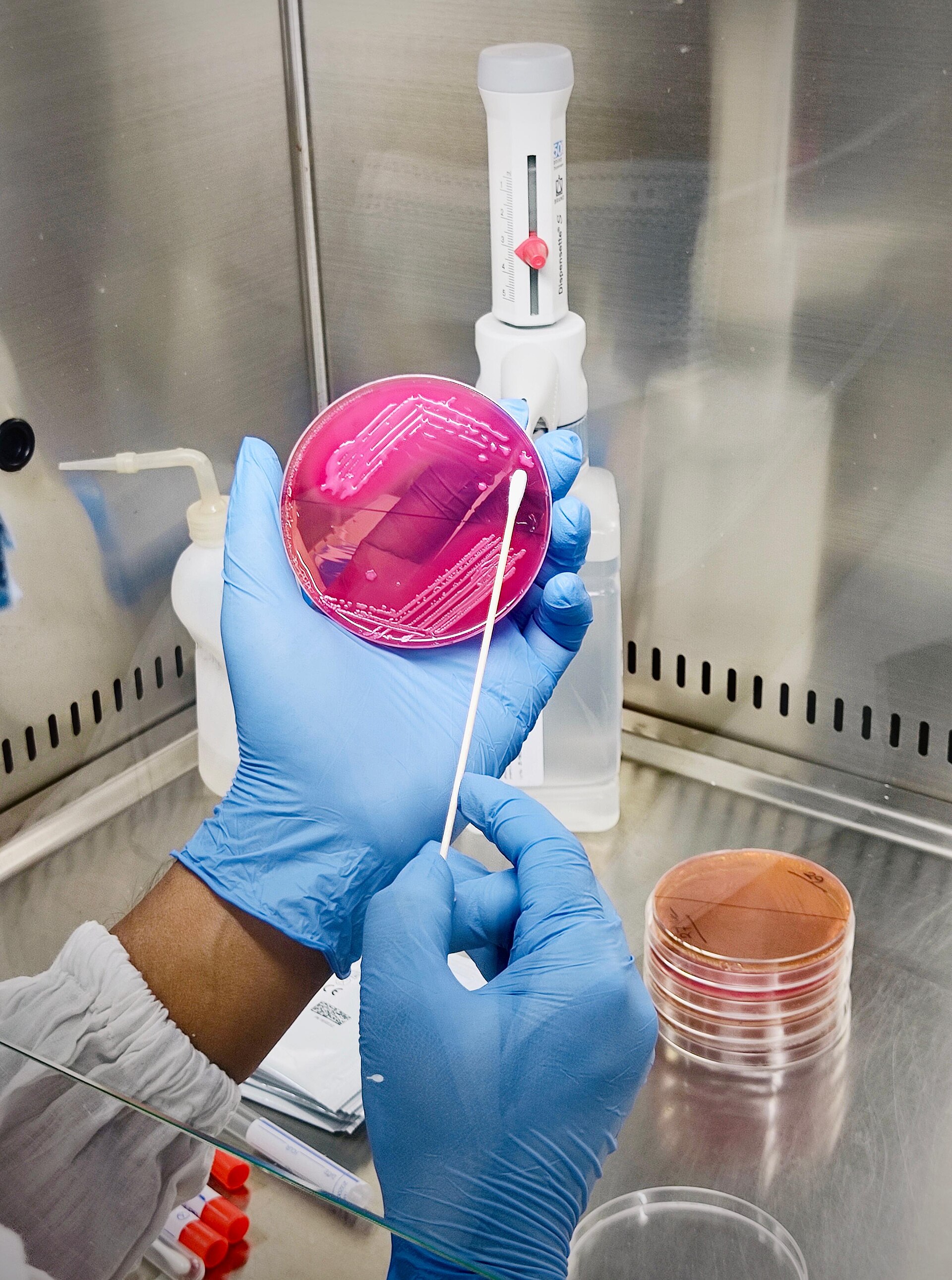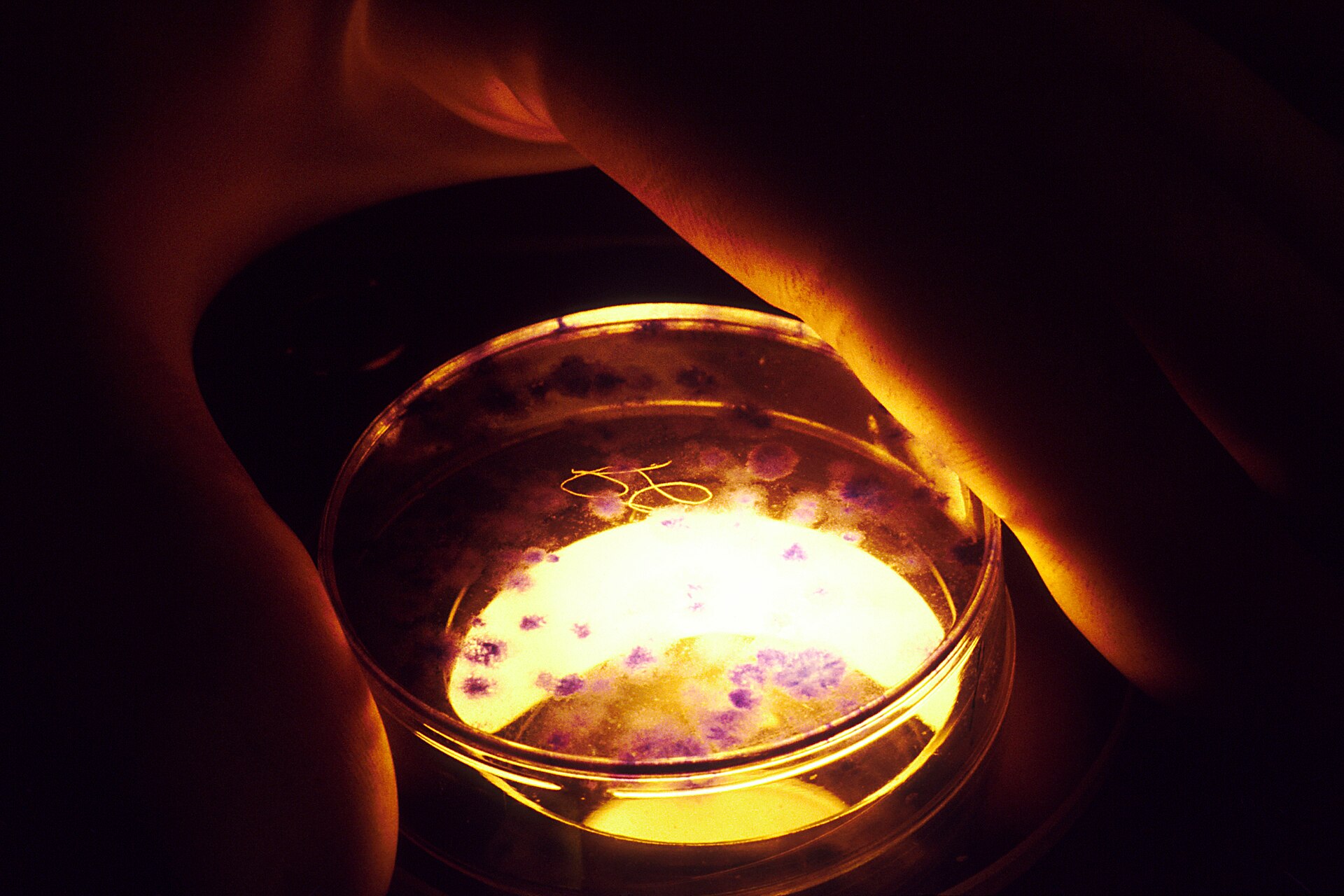
The word “transistor” usually conjures silicon chips. MIT researchers showed a different form of switching: carefully engineered bacterial communities communicating through molecules on a growing medium.
What the evidence says
- MIT reported in August 2026 that engineered bacteria could serve as biological switches connected into circuits.
- The circuits transfer chemical signals between bacterial colonies rather than moving electrons through silicon.
- This was a laboratory demonstration; it does not mean consumer computers will run on bacteria next year.
What the team built
In ordinary electronics, a transistor can help control the passage of current. MIT researchers engineered bacterial cells so they could switch chemical signaling pathways on and off, then connected colonies into larger biological circuits.
The living material can be printed on a growth medium in patterns that determine how messages travel. Researchers described increasingly involved calculations using colonies that exchange molecular signals. That is computing in a biological sense, but it is radically different from a fast processor.
Why a “living circuit” is exciting
Cells already sense chemicals, produce molecules and respond to their environment. Engineering these behaviors could allow biological systems to detect conditions and coordinate responses where ordinary chips are less natural.
For example, future biosensors might interact directly with samples or monitor environmental conditions. These remain areas of investigation, not promises that engineered organisms are safe or approved for routine deployment.
Why biology is not a replacement for silicon
A bacterial colony needs nutrients, suitable conditions and time. Biological signals move and vary in ways that conventional circuits do not. Mutations, contamination and the physical environment can affect output.
Those constraints may make living circuits most useful where biology is already present, rather than for replacing a laptop’s CPU. Analogies are helpful for understanding architecture; they are misleading when they hide differences in speed, reliability and scale.
The safety questions
Engineering living systems raises containment, responsible-use and environmental questions. Teams have to consider how organisms are controlled, monitored and prevented from spreading beyond intended settings.
This is a field that benefits from careful lab work, independently reproduced results and oversight—not dramatic claims that somebody invented a living internet.
SJK’s perspective
Biology and computing are converging because both systems process information. The exciting part is learning what each material does uniquely well.
Today’s living transistor is a scientific demonstration, not a substitute for your silicon PC. The next phase is about predictable biological operations and real-world usefulness under controlled conditions.
Sources & further reading
Sources below are primary institutional, research or regulatory publications. Reported results are not universal clinical outcomes.
Scientific research overview. It does not provide instructions for engineering or culturing organisms.
Evidence before excitement.
Read carefully sourced technology reporting and practical tutorials. For unrelated computer support, SJK serves customers remotely nationwide and on site in DFW.
MORE SJK STORIES ↗GET TECH SUPPORT ↗