A robot does not always need an electric motor. MIT engineers have demonstrated a tiny swimmer whose movement comes from living muscle cells responding to light.
What the evidence says
- MIT reported a two-finned, gel-based biohybrid swimming robot in September 2026.
- A thin layer of engineered muscle cells responds to light, causing the fins to move in a laboratory water environment.
- Researchers demonstrated controlled movement in a dish; these devices are not autonomous consumer or medical robots.
The simplest robot with a complicated secret
Researchers built a thin gel skeleton roughly the size of a stick of gum and placed live muscle cells on its fin-like surfaces. When light triggered the cells, they contracted and the fins moved.
By illuminating one side or the other, the team influenced the direction of travel. A simple laboratory maze helped demonstrate navigation under external control. The setup was designed to isolate and test the movement mechanism, not to mimic a fully functional animal.
Why living muscle is different
Muscle tissue can deform softly and work with flexible structures. That could be useful in places where rigid motors and propellers are awkward. But biological actuators also require nutrients, appropriate temperature and maintenance.
A robot powered by living tissue crosses engineering disciplines: cell culture, materials science, optics, control systems and fluid dynamics. Its limitations are part of the scientific problem, not an embarrassing footnote.
Applications are ideas, not products
MIT discussed future possibilities such as delicate environmental monitoring. Researchers hope to improve speed and efficiency as they explore body design and muscle arrangement.
That is not the same as proof the robot can operate unsupervised in oceans, deliver medical treatment or survive harsh environments. These claims would require entirely different levels of testing, reliability and safety.
A new kind of collaboration
Biohybrid engineering asks what happens when a living tissue and a synthetic structure become one functional system. In this project, light acts as a command signal and muscle provides the movement.
The most useful takeaway is not “robots are alive.” It is that living cells can be one engineered component among many, with their own constraints and capabilities.
The future to watch
Look for stronger performance benchmarks, longer-lived systems, reliable controls and transparent biosafety practices. Scientists must also address ethical questions around how living materials are sourced and used.
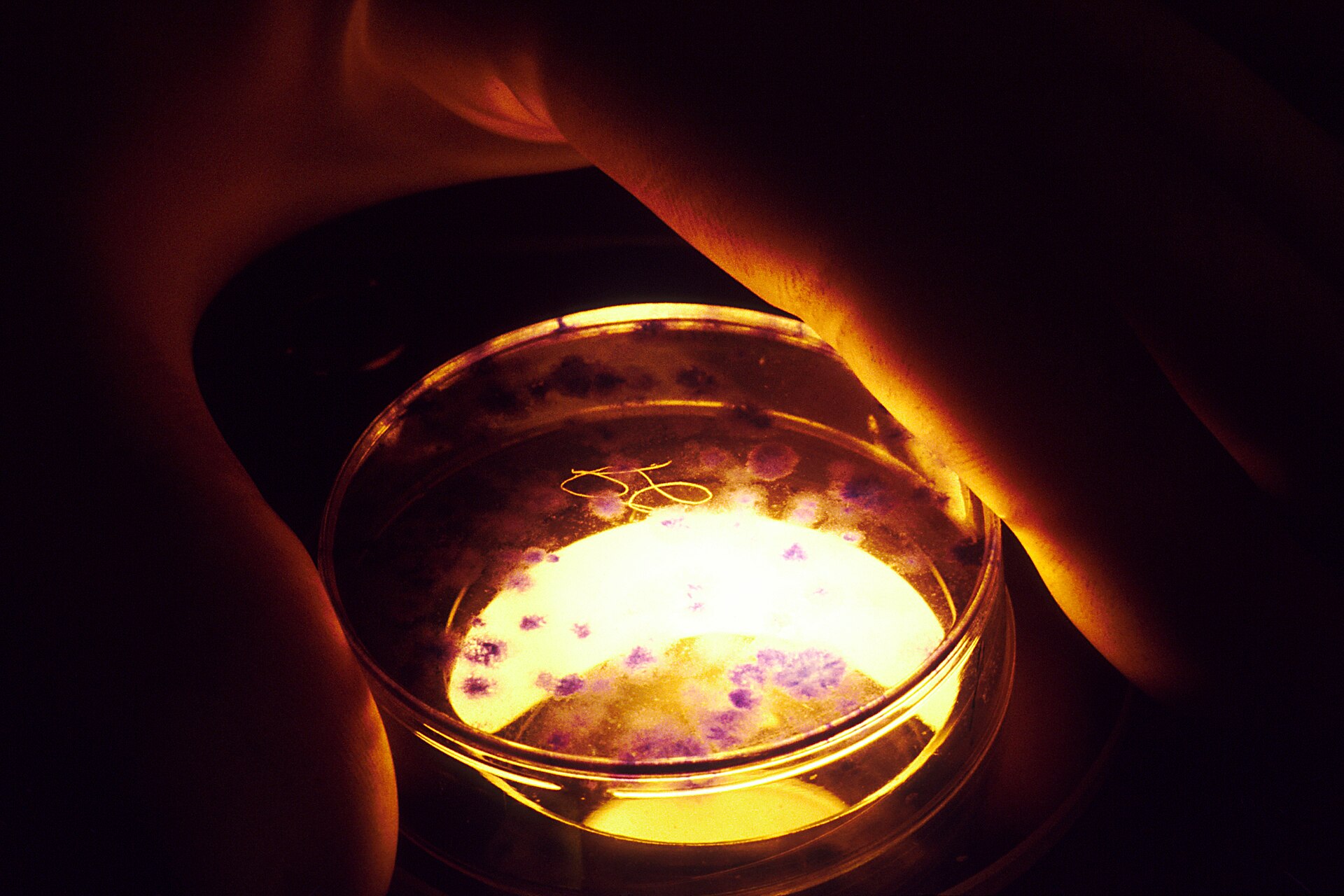
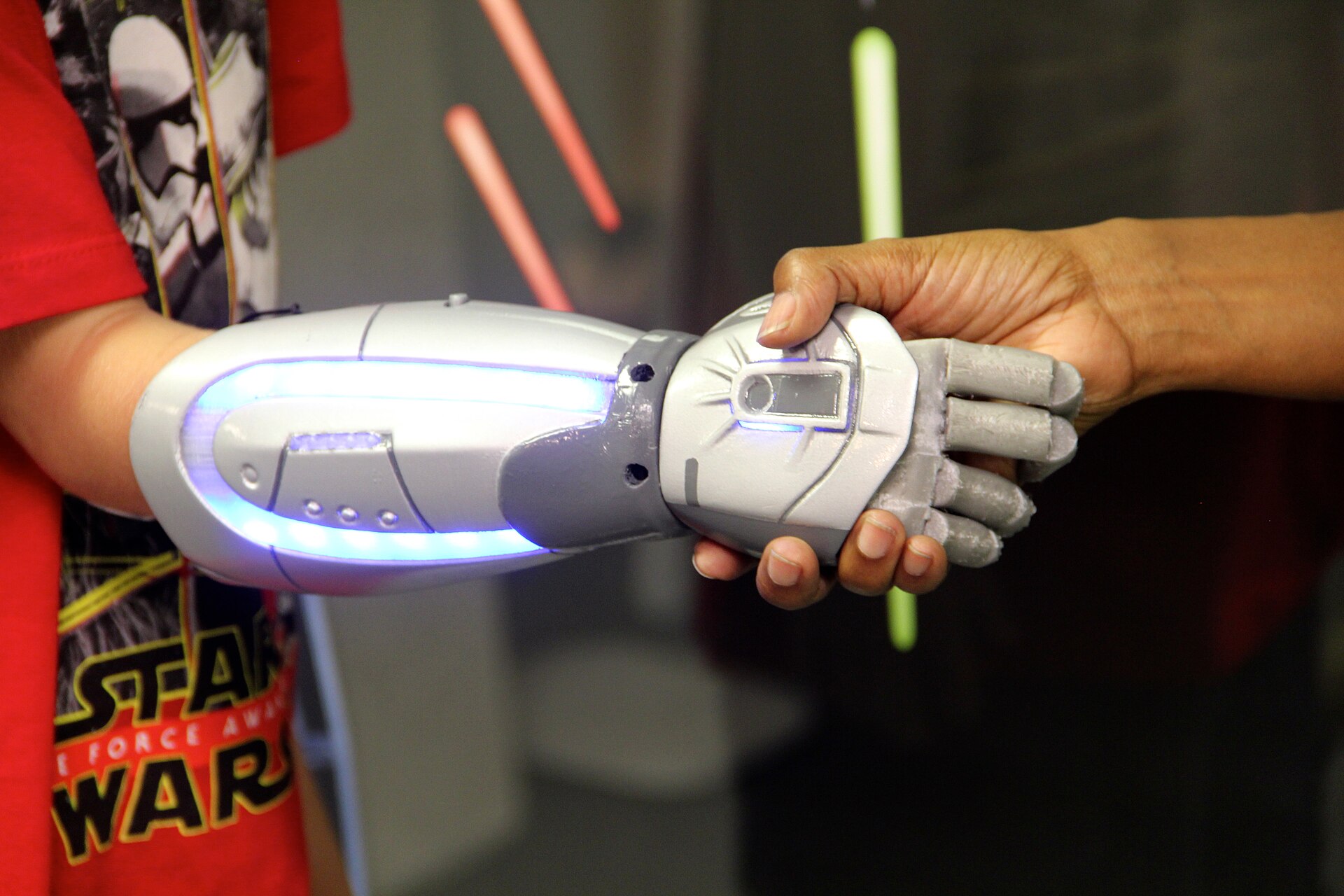
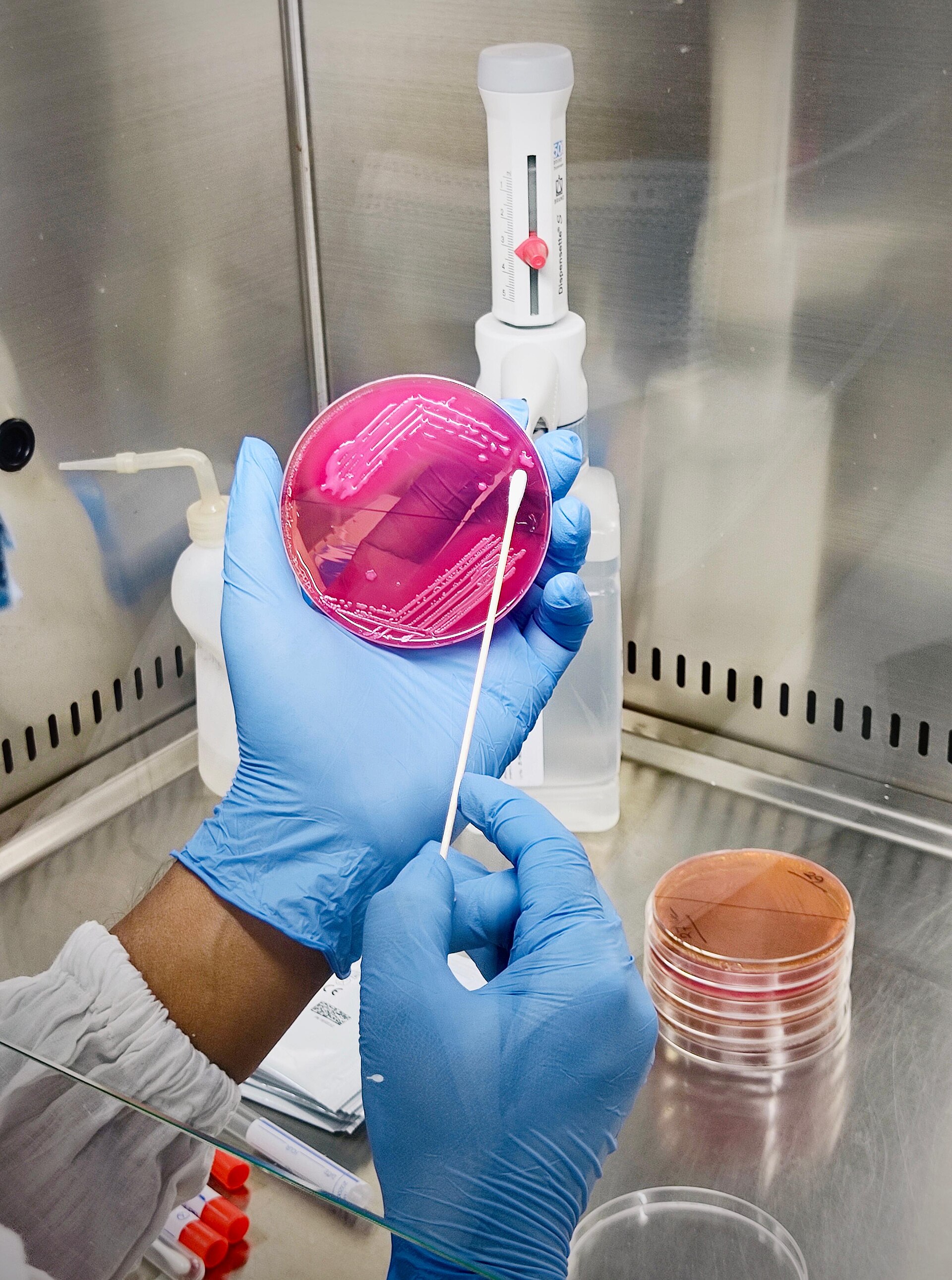
The photographs on this page show real laboratory handling of Petri dishes, not the specific MIT aquabot. The research facts are grounded in MIT’s published account.
Sources & further reading
Sources below are primary institutional, research or regulatory publications. Reported results are not universal clinical outcomes.
Laboratory science report, not evidence of a commercially available or clinically approved device.
COVER IMAGE: Tanzi Afruza / Wikimedia Commons (CC0). Illustrative wet-lab image, not the MIT biohybrid robot.
Evidence before excitement.
Read carefully sourced technology reporting and practical tutorials. For unrelated computer support, SJK serves customers remotely nationwide and on site in DFW.
MORE SJK STORIES ↗GET TECH SUPPORT ↗