
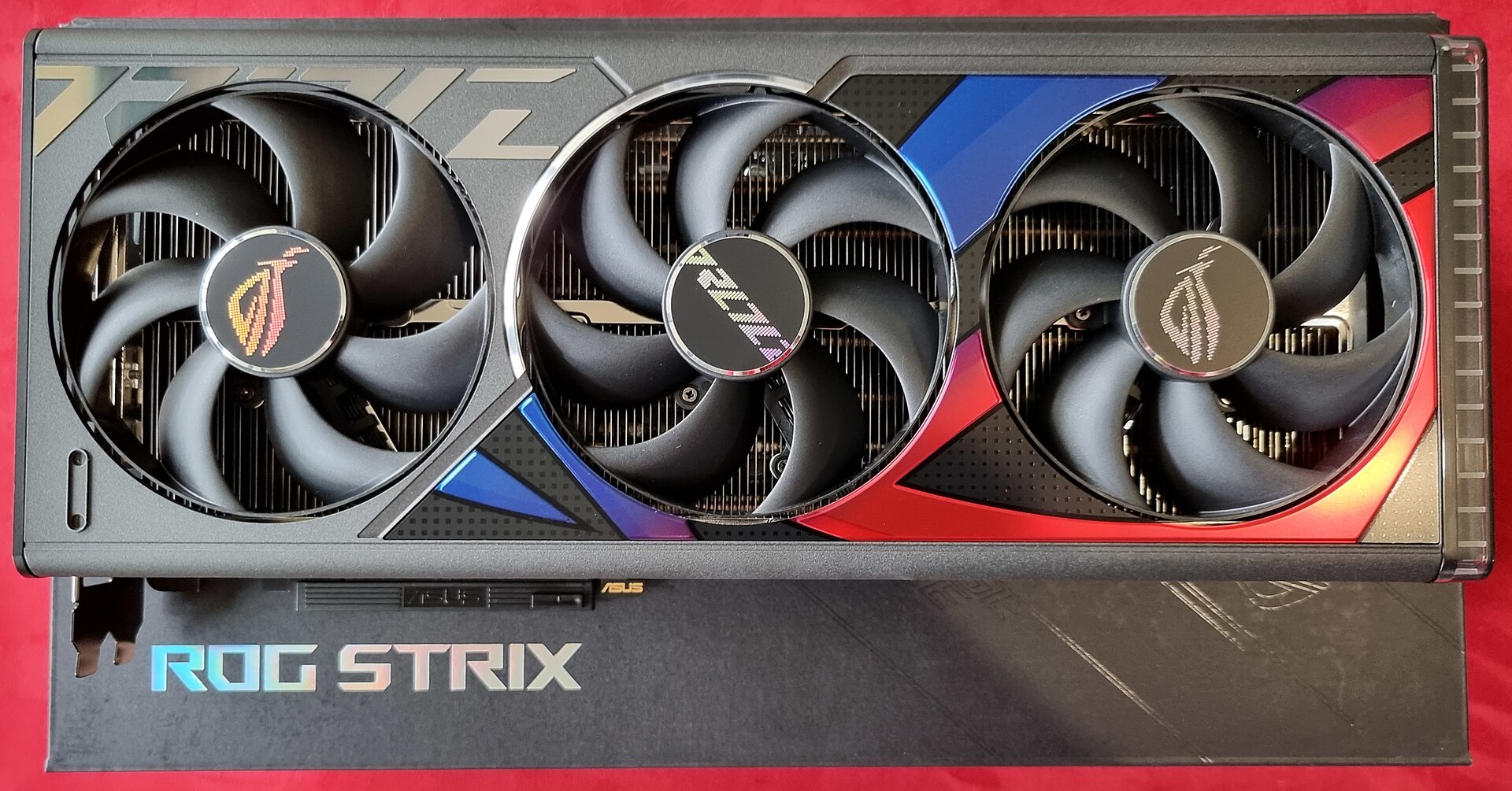
Jensen Huang’s departure is one of the biggest leadership changes in modern computing. But an executive resignation does not instantly discontinue an RTX graphics card. For gamers, the questions worth following are much more concrete: product allocation between AI and gaming, board-partner supply, memory costs, driver support, and what NVIDIA’s leadership says at its November 17 earnings briefing.
What readers should know
- NVIDIA’s November 12 announcement names CFO Colette Kress as interim CEO and says it expects customer commitments and product roadmaps to continue without interruption.
- NVIDIA’s fiscal 2027 third-quarter results are scheduled for November 17, after the reporting date of this article. Any future guidance is not yet known.
- There is no company statement establishing that Huang’s resignation, by itself, caused a GeForce price increase or a newly canceled gaming GPU lineup.
What changes at NVIDIA today
Huang resigned as chief executive, president and board member after 33 years. Kress will act as CEO while also continuing as finance chief. Harvey Jones has become chair. The formal company announcement states that its operations, obligations to customers and technology development roadmap are expected to continue.
Expectations are not guarantees, but they are the best public description of management’s near-term priorities. No credible analysis should leap from that message to a supposed shutdown of GeForce production.
Gaming GPUs and AI accelerators share more than a brand
NVIDIA competes in several hardware categories. Consumer GeForce graphics cards serve gaming, creation and local AI; data-center systems command enormous spending from cloud providers. Chip fabrication, packaging, advanced memory and design resources compete for attention even when the finished products are different.
High-bandwidth memory for large accelerators is not the same component as GDDR memory installed on a GeForce board, but both sit inside an interconnected semiconductor supply chain. When AI infrastructure demand is strong, manufacturers and system builders may face competing economic incentives. That matters more to street prices than social-media predictions about one person leaving.
Could GPU prices still rise?
Yes, but causation matters. A retail GPU can become expensive because of supply allocation, new tariffs, exchange rates, regional stock, memory prices, board-partner decisions or demand shifts. A company leadership crisis may affect investor sentiment without changing available graphics-card inventory overnight.
Conversely, slower data-center orders or stronger supply could relieve some pressure. None of these possibilities can be reduced to an exact price target today. Treat alleged discontinuation claims as unconfirmed until NVIDIA or its manufacturing partners make a documented announcement.
The next evidence checkpoint: November 17
NVIDIA plans to release fiscal third-quarter results Tuesday, November 17, with a conference call at 2 p.m. Pacific time. Investors will be listening for the company’s guidance and questions about leadership, product execution, supply capacity and demand.
This story is dated November 15. Those results have not occurred yet. An article that claims the earnings were already released would be wrong. We will update our reporting after the company issues the actual numbers.
Should gamers delay an upgrade?
If you need a card now, judge the current model on independent benchmarks, your monitor resolution, power supply, case clearance, game requirements, warranty and an actual in-stock price. Do not buy a GPU solely because someone asserts that the next generation is doomed.
If your present card still meets your needs, waiting for official results and market inventory may be reasonable. Be especially careful with used cards, unverifiable sellers and deals that omit board-partner warranties.
What to watch, and what not to assume
Watch NVIDIA’s earnings, financial disclosures, driver updates and board-partner stock. Separate AI GPU demand from consumer GPU availability. Above all, distinguish management promises, confirmed product announcements and third-party speculation.
The company’s future without Huang matters. But the GPU in your gaming desktop is still a hardware purchase with measurable requirements, not an investment in a rumor.
Editorial method: Current findings are attributed to the sources below. A preliminary explanation is not a final investigative conclusion; projections, allegations and buying advice are explicitly distinguished from established events.
Sources & further reading
Reporting as of November 15, 2026. Source statements, industry forecasts and independent analysis are distinguished in the article. Photo credits are below.
Photograph: Benlisquare / Wikimedia Commons, CC BY-SA 4.0 (resized). Original photograph, attribution and reuse terms. Real ASUS ROG Strix GeForce RTX 4090 graphics card photographed in 2022; representative gaming hardware, not a newly announced product.
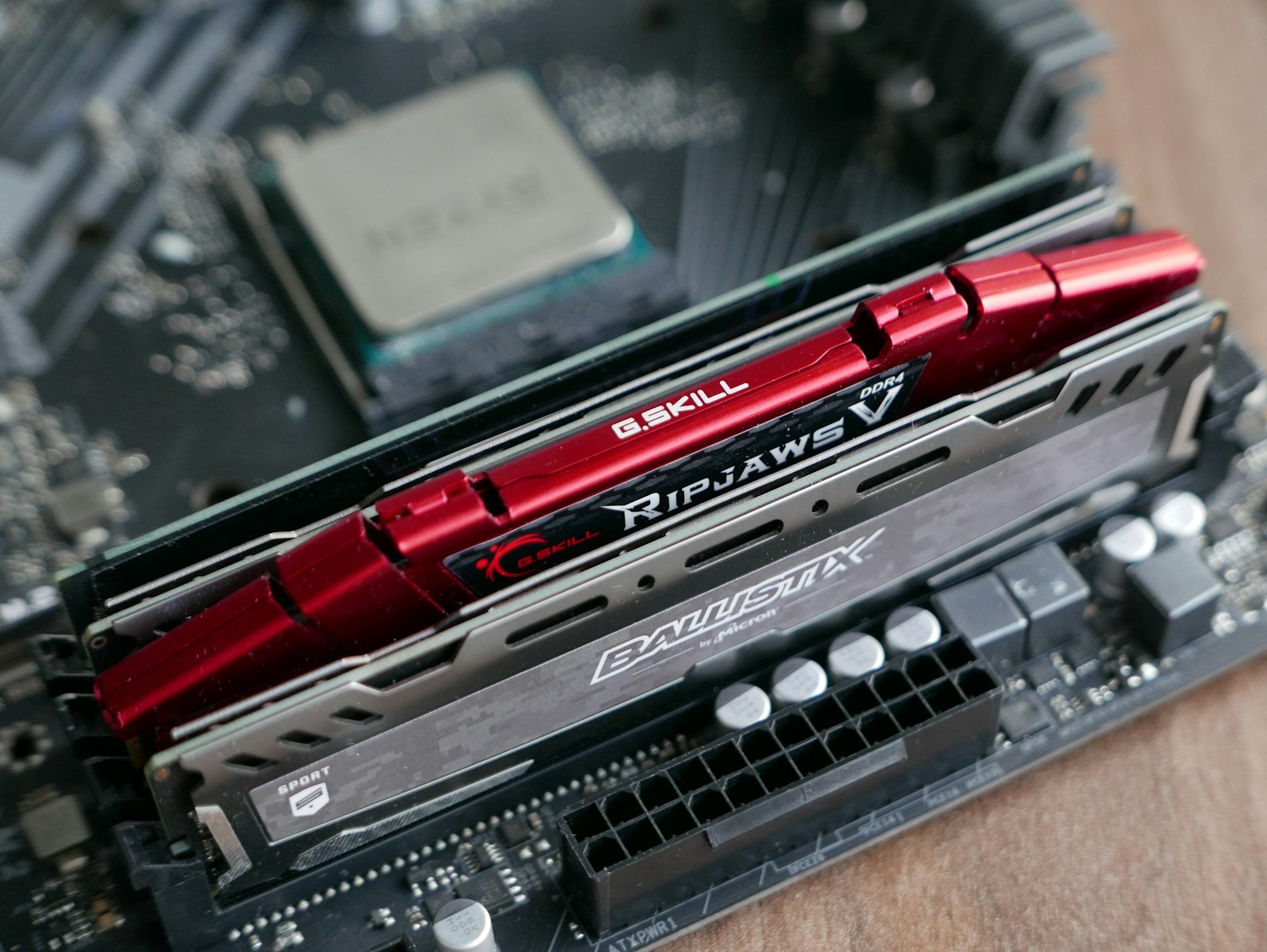 BUILD LAB / BUYING GUIDEAnother RAM or SSD Price Hike? A Smarter Buying Plan for 2027.
 INFRASTRUCTURE / AVIATIONWhat Really Shut Down U.S. Flights: The FAA’s November 13 Network Failure
 CLOUD / SERVICE HEALTHMicrosoft 365 Is Restored. Here’s What the Outlook Outage Actually Broke.