The most important feature of a communication device is not how futuristic it looks. It is whether a person can be heard, understood and participate in a conversation on their own terms.
What the evidence says
- NIH described a September 2026 neuroprosthesis that enabled simultaneous digital speech and body-language expression for people with paralysis.
- The UCSF-led approach used machine learning to interpret neural activity linked to speech and gestures, demonstrated with three participants.
- These are highly specialized research systems, not general-purpose consumer mind-reading devices.
What the research team demonstrated
An NIH-funded University of California, San Francisco team showed that brain-computer interfaces can interpret signals associated with planned speech and upper-body expression. A personalized digital avatar then expresses a participant’s intended communication in real time. Prior work had often focused on voice or movement separately.
That distinction matters. A shrug, head motion or facial expression changes the emotional texture of an interaction. Recreating the combination of words and body language is a different challenge from turning a single intention into text.
How brain-computer interfaces work
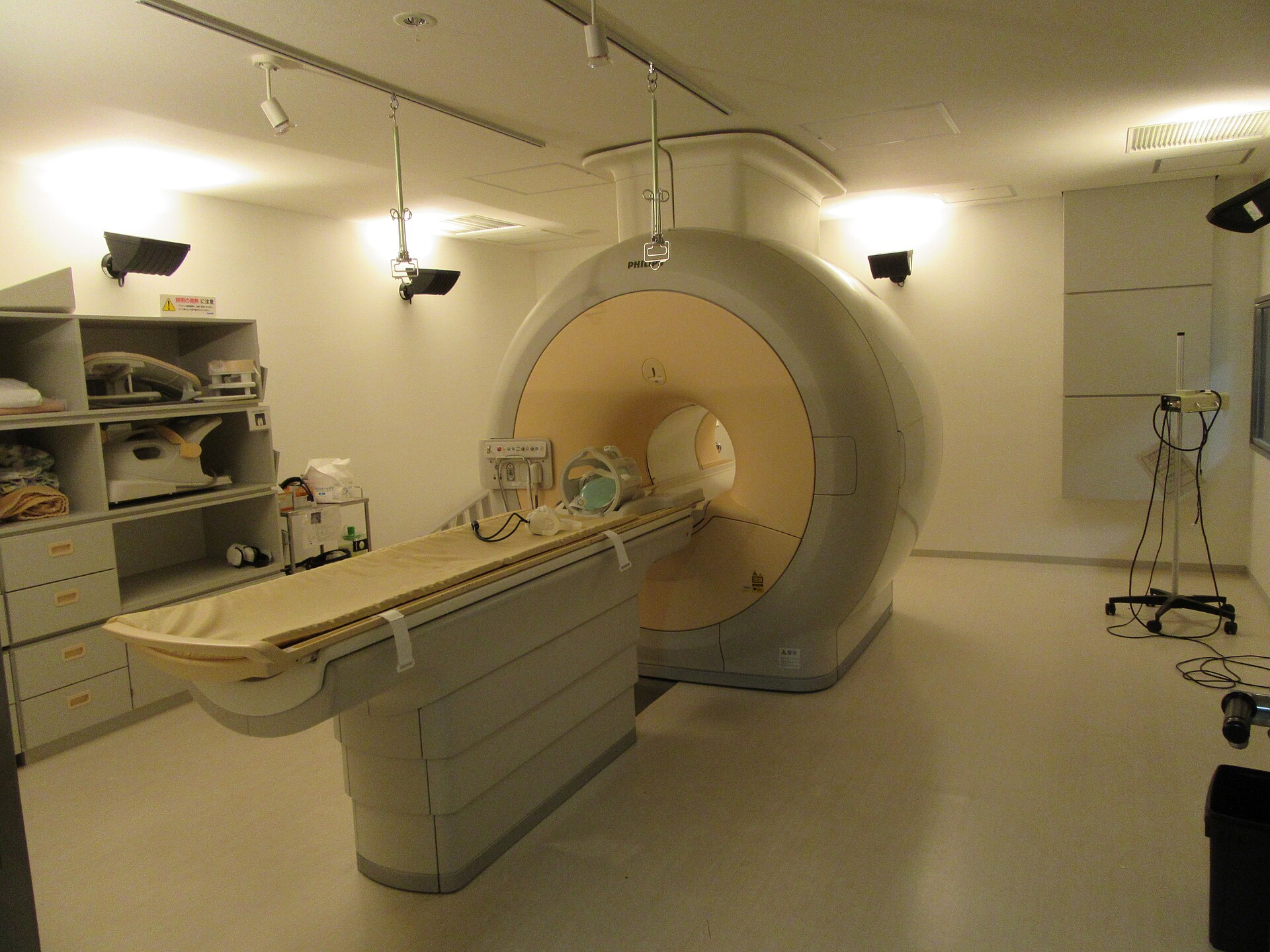
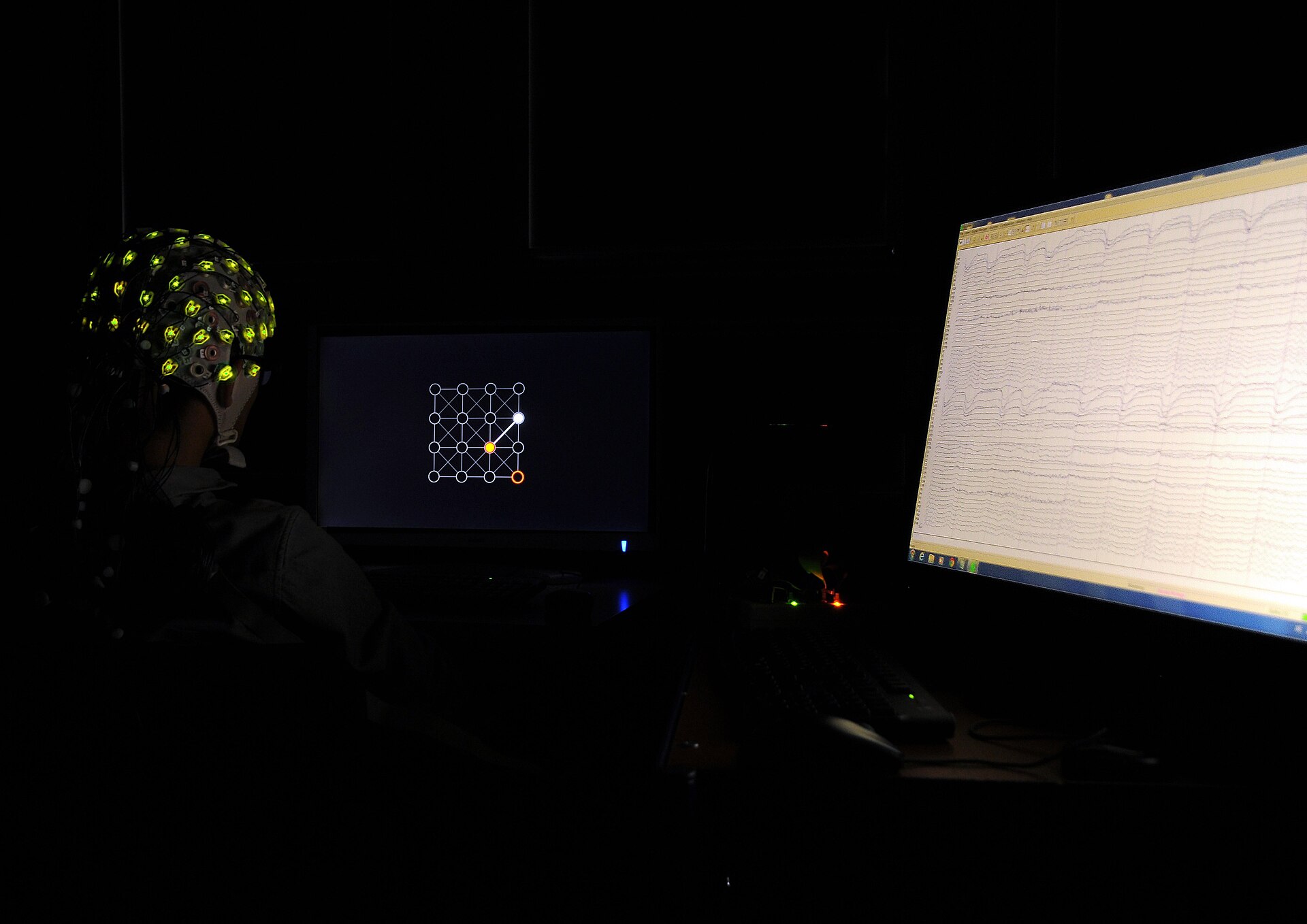
A BCI measures patterns of activity in the nervous system. Trained models connect those patterns to a limited set of intended actions or communications. In invasive systems, electrodes may be placed surgically; other research uses sensors on the scalp.
This is not reading any thought from an arbitrary brain. Systems require training, careful calibration and a person’s active participation. Performance depends on signal quality, the specific task, hardware and the way researchers evaluate accuracy.
Why moving outside the lab is difficult
NIH also highlighted home communication work in July 2026 involving a man with paralysis. Research teams had to make technology usable beyond supervised laboratory sessions, where practical challenges include setup time, caregiver assistance, comfort and troubleshooting.
A laboratory breakthrough is the beginning of the engineering task, not the end. Questions about speech accuracy, fatigue, personalization, privacy and safe clinical support remain central.
Privacy and autonomy should be part of the story
Neural data can be deeply personal. Consent, data access, security, device support and meaningful user control deserve attention alongside signal-decoding performance. A device that restores communication should not create a new dependency on opaque, remote infrastructure.
Research needs participants who can say when a system is wrong and have that experience reflected in how success is measured. The ideal device expands agency rather than replacing one barrier with another.
What to follow next
Watch whether future studies demonstrate reliable long-term performance, broader participant groups, manageable hardware and accessible clinical pathways. Avoid claims that a small research trial means every paralyzed person can immediately buy the system.
This is one of the strongest examples of technology serving a human need. It is also a reminder that empathy and engineering rigor belong in the same headline.
Sources & further reading
Sources below are primary institutional, research or regulatory publications. Reported results are not universal clinical outcomes.
Experimental research, not an available treatment recommendation. Consult qualified clinical specialists for medical decisions.
COVER IMAGE: Laurens R. Krol / Wikimedia Commons (CC BY 4.0). Archival EEG experiment, not the 2026 NIH study.
Evidence before excitement.
Read carefully sourced technology reporting and practical tutorials. For unrelated computer support, SJK serves customers remotely nationwide and on site in DFW.
MORE SJK STORIES ↗GET TECH SUPPORT ↗