AI in medicine is not only a future prediction. Some tools are already cleared for specific clinical purposes. But “AI-enabled” is not the same as “autonomous doctor”—and the difference matters.
What the evidence says
- The FDA reports over 1,600 AI-enabled medical devices authorized for U.S. marketing as of September 2026.
- Devices on the FDA list range across radiology, cardiovascular tools and other clinical areas; authorization is tied to specific intended uses.
- Marketing authorization does not guarantee superior performance for every patient, setting or workflow.
How AI enters a clinical workflow
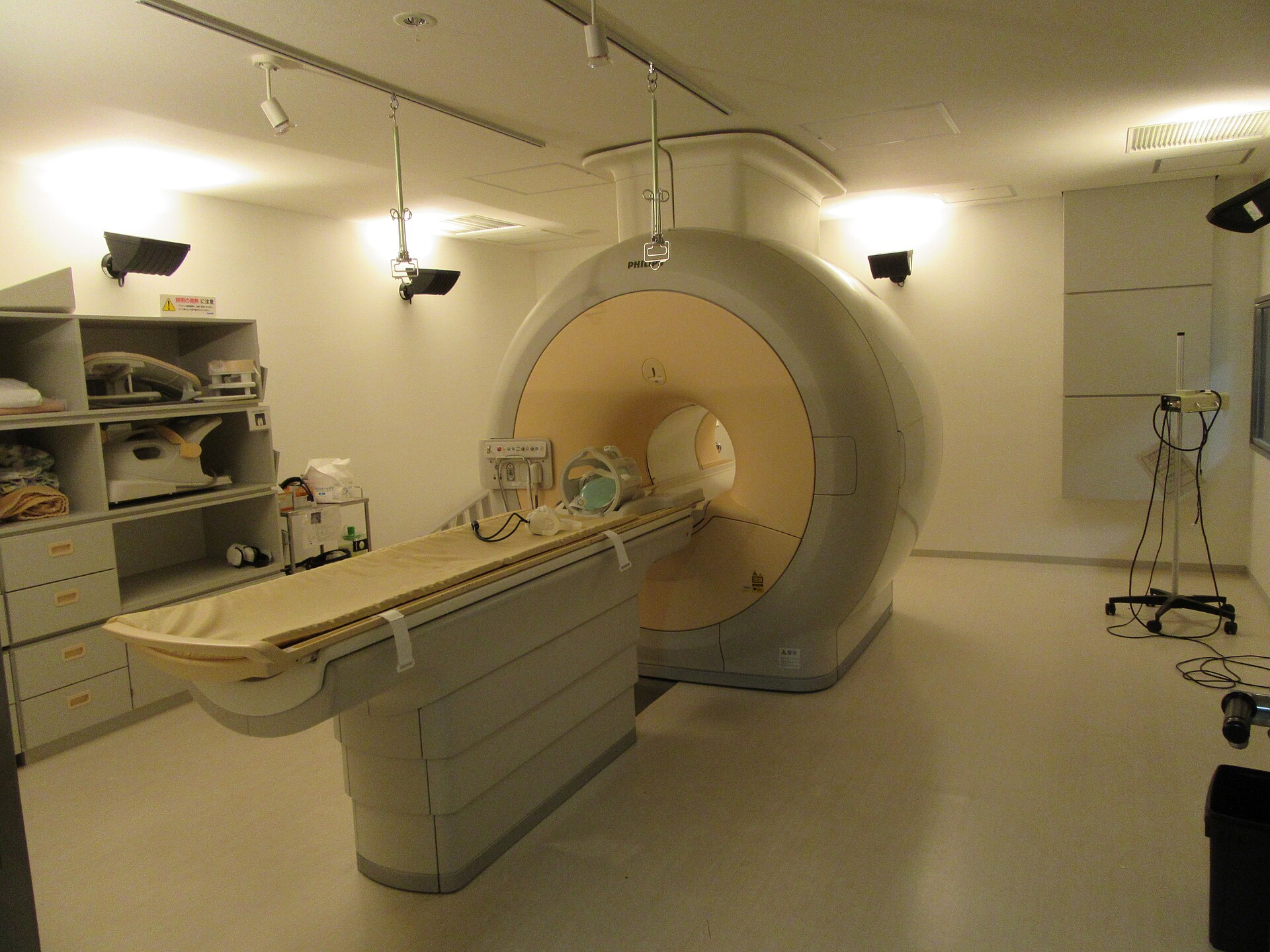
A radiologist may work with software that marks suspicious findings, segments an organ on a scan or improves image reconstruction. A clinician may see a model-generated risk flag alongside the patient’s history. Some devices interpret ECG or ultrasound data for carefully defined purposes.
Those examples are not interchangeable. Some products generate measurements; some help prioritize work; others provide additional clinical information. How a model is validated and used in practice matters far more than the size of its neural network.
What “authorized” actually tells you
The FDA evaluates devices through the pathway relevant to their risks and intended uses: clearance, De Novo classification or premarket approval. Manufacturers must provide evidence appropriate for those claims. A product may be authorized for one task without being approved to make other decisions.
A list entry is therefore a starting point for due diligence. Ask for the specific device model, intended population, instructions for use, performance evidence and clinician oversight. Do not treat a marketing video as an independent safety study.
The hard questions are about the real world
Data may come from hospitals, scanners or patient populations that differ from your own setting. Subtle changes in imaging equipment or workflow can affect model behavior. Clinicians must know when to question, override or ignore an automated suggestion.
Privacy, cybersecurity and clear communication matter too. Patients should understand when an algorithm assists their care and who remains responsible for interpretation. A helpful system has auditable limits, not a claim of perfect accuracy.
Where technology helps—and where it does not
AI may help reduce repetitive work or focus attention on time-sensitive cases. That is promising, particularly when a device is thoughtfully integrated with qualified staff. But speed can create risk if poorly explained outputs encourage automation bias.
No one should skip urgent symptoms or substitute a consumer chatbot for emergency medical evaluation. The best medical technology improves the quality of human decisions rather than making people disappear from the process.
What to watch in 2027
Expect more adaptive software, imaging-specific models and regulatory attention to changes after launch. The important progress measures will be clinical outcomes, fairness across populations and safety in day-to-day use.
SJK’s position: celebrate verified progress without calling every computer-assisted image a miracle. The FDA database is a more useful source than exaggerated promotional copy.
Sources & further reading
Sources below are primary institutional, research or regulatory publications. Reported results are not universal clinical outcomes.
General science reporting, not medical advice. Medical decisions should be made with qualified clinicians.
Evidence before excitement.
Read carefully sourced technology reporting and practical tutorials. For unrelated computer support, SJK serves customers remotely nationwide and on site in DFW.
MORE SJK STORIES ↗GET TECH SUPPORT ↗