Imagine a rover sending telemetry to a lunar science team or astronauts sharing sensor data across the surface. NASA is funding the networking technology for that world. In parallel, a NASA–IBM AI model is helping researchers analyze lunar imagery—an intriguing convergence of communications and machine intelligence.
What you need to know
- NASA awarded an approximately $38 million contract in September 2026 to develop lunar 5G components and Wi-Fi 6 integration.
- That is a technology-development and demonstration plan, not evidence that a public mobile carrier is operating on the Moon.
- NASA and IBM released an open lunar foundation model trained primarily on Lunar Reconnaissance Orbiter data.
How lunar connectivity differs from Earth
On Earth, a phone can move among towers, Wi-Fi access points and fiber-backed services. The lunar environment adds radiation, dust, vacuum, severe temperatures, long replacement times and distance from Earth. Every network component must earn its weight and energy budget.
NASA's September 30 contract with Modulate Space calls for a 5G network-in-a-box development phase and an integrated 5G/Wi-Fi surface-network demonstration spanning work into 2028. Those are engineering milestones, not a consumer service launch.
Why 5G and Wi-Fi 6 both matter
Local lunar networks could let crew systems, science instruments and rovers exchange data without every small device needing a dedicated direct-to-Earth radio link. Wi-Fi suits some local connections while cellular-style approaches help manage coverage and mobility.
The goal is not streaming videos for tourists. It is dependable telemetry, command links, data exchange, situational awareness and future mission operations. Network security and isolation become essential when a communications failure can affect equipment far from immediate help.
AI that studies the Moon before a human arrives
NASA's September 2026 announcement introduced an open lunar foundation model developed with IBM Research and academic collaborators. Trained primarily using Lunar Reconnaissance Orbiter observations, the model is intended to support analysis of lunar terrain and scientific patterns.
Open availability invites researchers to experiment and inspect code, but it does not mean a model is infallible or that it controls a spacecraft. Scientists still validate conclusions against measurements and mission requirements.
What this means for technology on Earth
The same design questions appear in remote industrial sites, disaster recovery and connected factories: what happens when a network is intermittent, how do devices authenticate and what work can be done locally? Space engineering forces teams to confront these issues in an extreme form.
SJK will watch for demonstrated hardware milestones, real lunar flight tests and public technical results—not confuse a contract announcement with a completed network.
Sources, specifications & further reading
SJK wrote this article as independent editorial analysis or educational guidance, based on the following published materials. Specifications and prices can change; always verify the current vendor documentation before acting.
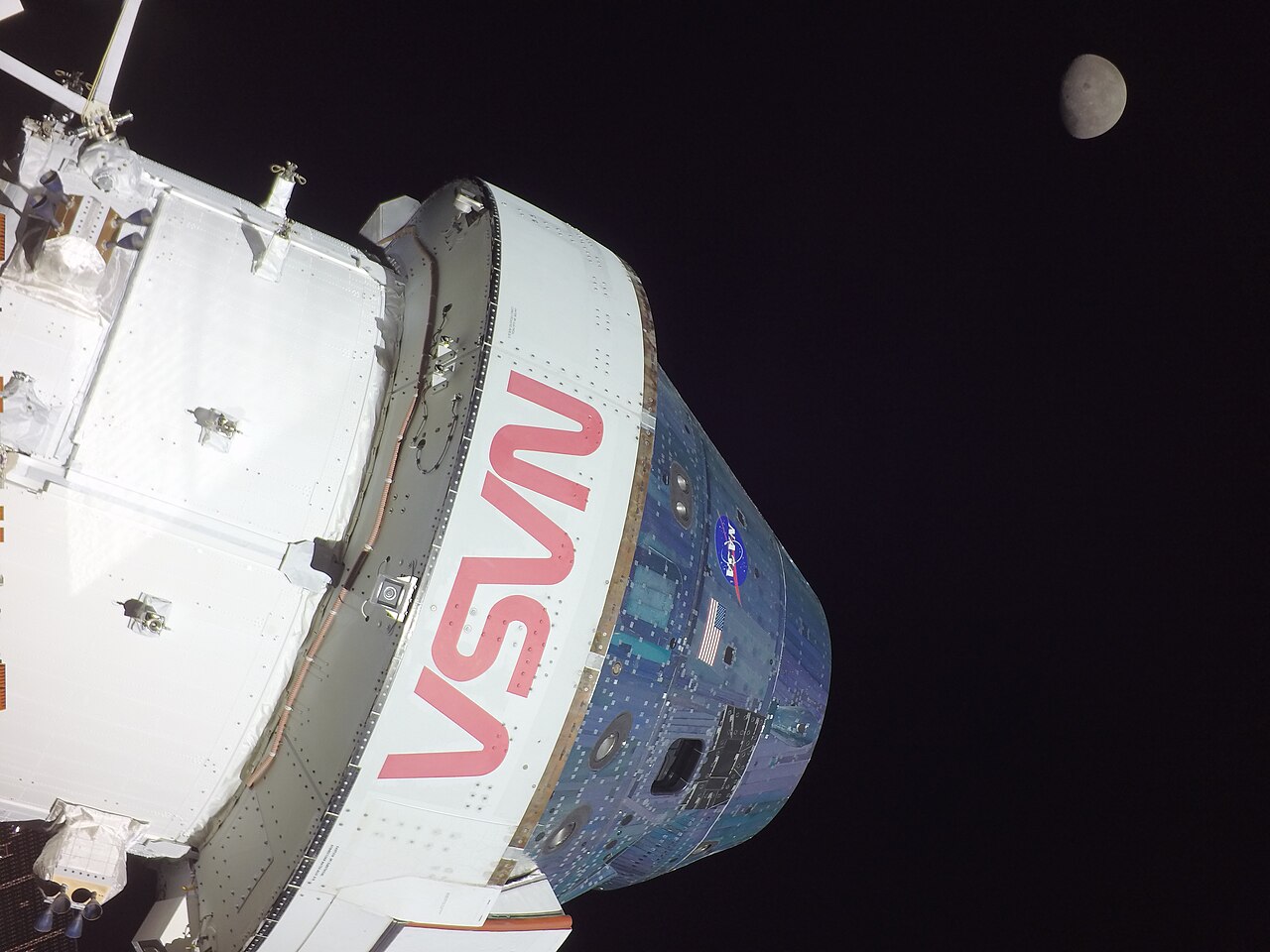
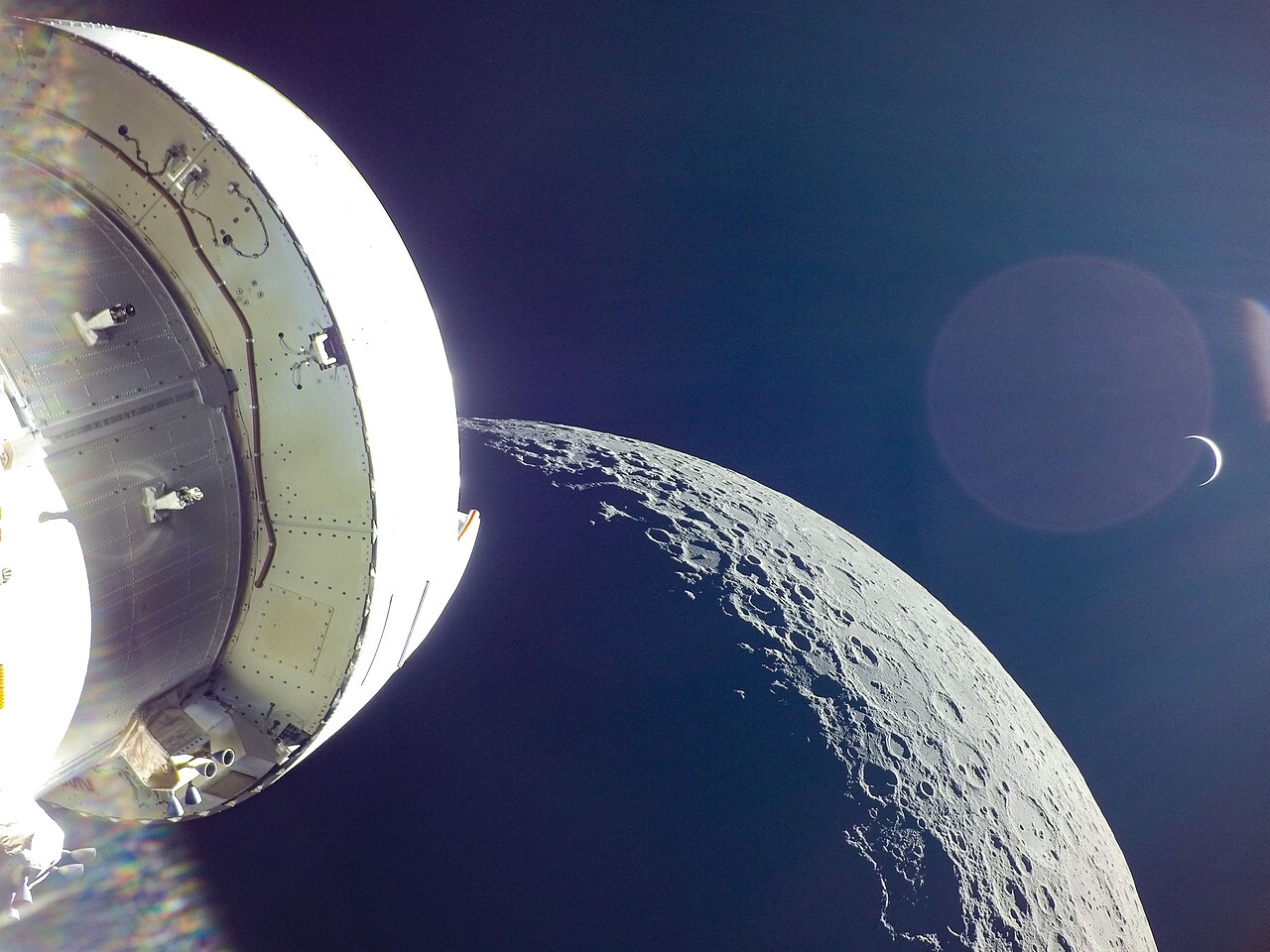
Cover photograph: NASA Artemis I mission, 2022 (archival). This photograph does not depict a future mission. NASA image record.
Need a second set of eyes?
Guides are free and self-service. SJK offers remote support nationwide and on-site work in the Dallas–Fort Worth area, with scope and pricing confirmed before paid service.
REQUEST SJK SUPPORT ↗EXPLORE THE BUILD LAB ↗