The next major chapter of human spaceflight is not simply 'plant a flag and come home.' NASA's revised Artemis plan places an ambitious systems-testing mission in 2027 ahead of its targeted 2028 crewed lunar landing. The technology that makes that sequence work is every bit as interesting as the rocket.
What you need to know
- NASA identifies Artemis III as a low-Earth-orbit test mission in 2027, rather than the next Moon landing.
- NASA targets a 2028 lunar surface mission for Artemis IV; schedules are plans subject to technical, budget and safety review.
- Docking, crew habitation, navigation, communications and lander integration are critical technology dependencies.
Why NASA is testing before landing
NASA's October 23, 2026 outline describes Artemis III as a roughly 14-day mission with four astronauts aboard Orion in low Earth orbit. They are expected to test rendezvous and docking operations with systems representing planned commercial lunar landers.
It is a risk-reduction mission. Spaceflight hardware can perform well separately but behave differently when crew procedures, software, sensors, docking interfaces and multiple contractors' equipment all interact. Testing integrated operations close to Earth can make later lunar attempts safer.
Orion is a flying systems integration project
Orion must manage power, communications, navigation, environmental controls and crew safety while working with systems built by different organizations. That means software validation, fault tolerance, time synchronization and rigorous configuration management—not just a powerful engine.
For technologists on Earth, the design principles will feel familiar: know your dependencies, isolate failures, build redundancy and rehearse recovery procedures before an outage happens. The consequences in space are simply much higher.
What happens in 2028?
NASA's November program update describes a path toward Artemis IV returning astronauts to the lunar surface in 2028. That goal depends on successful testing of the crew vehicle, commercial landing systems, spacesuits and mission operations.
A target year is not a promise of a launch date or a confirmed landing outcome. SJK will describe new milestones as planned, tested or accomplished—never as completed before NASA confirms them.
The overlooked technology: operations software
Cameras and rockets receive the headlines, but the mission also needs reliable software, networking, sensors, autonomous decision support and procedures that crews can execute under pressure. The technology story is about coordination across hardware and humans.
Those same themes show up in IT support: a backup is useful only after it has been restored successfully in a test; a monitoring alert is useful only when someone knows what to do with it. In space, every recovery path is rehearsed for a reason.
Sources, specifications & further reading
SJK wrote this article as independent editorial analysis or educational guidance, based on the following published materials. Specifications and prices can change; always verify the current vendor documentation before acting.
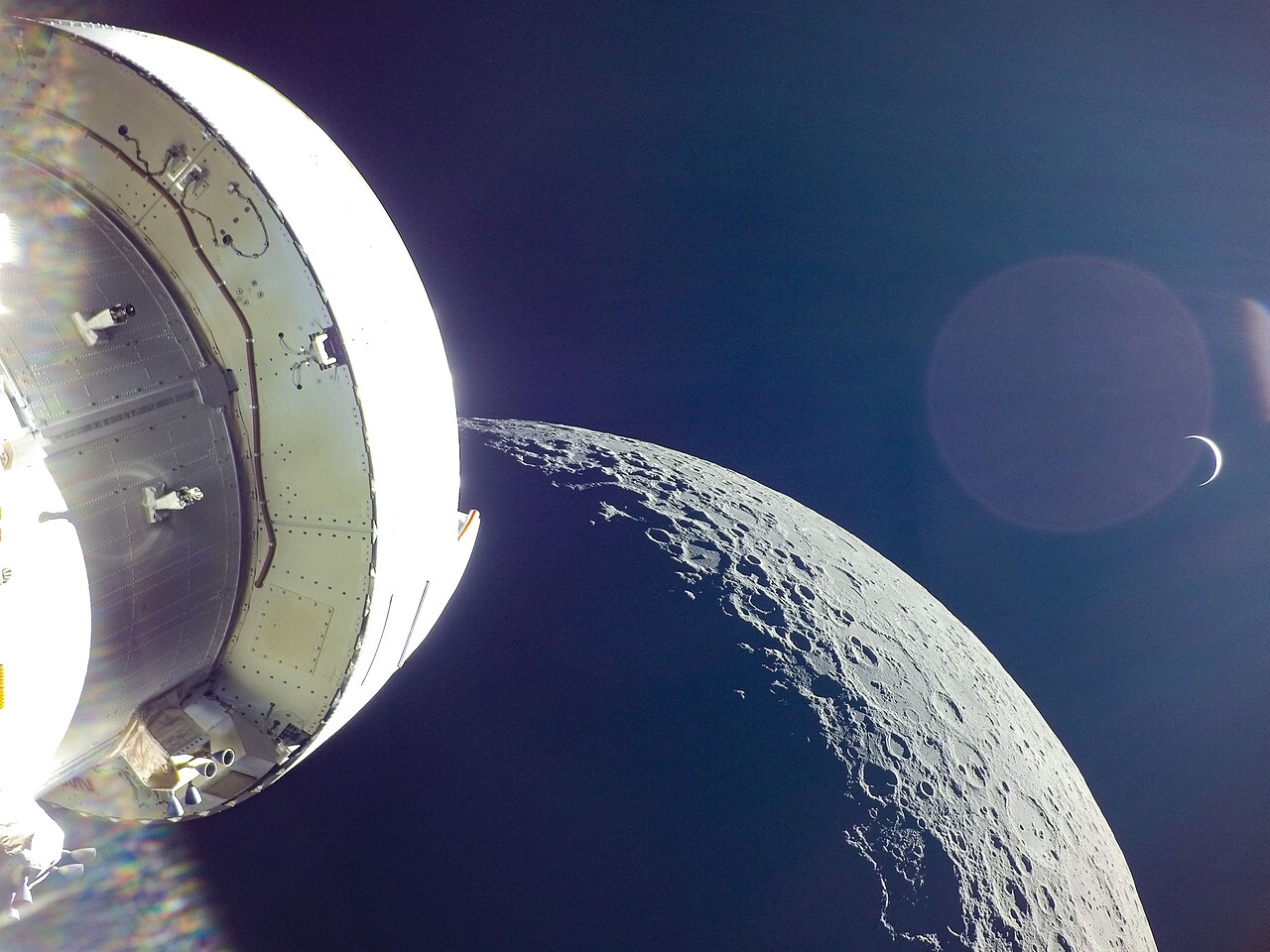
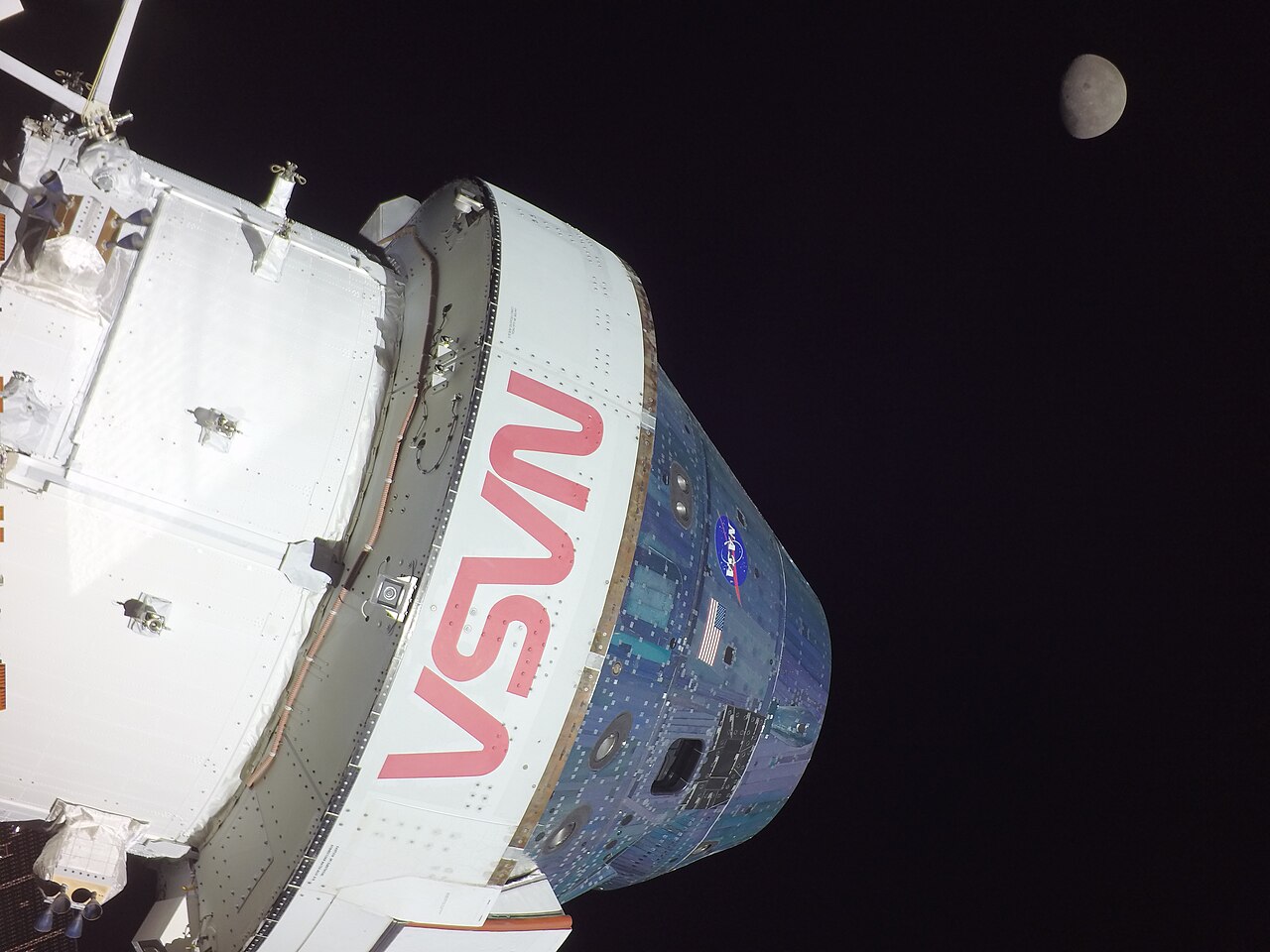
Cover photograph: NASA Artemis I mission, 2022 (archival). This photograph does not depict a future mission. NASA image record.
Need a second set of eyes?
Guides are free and self-service. SJK offers remote support nationwide and on-site work in the Dallas–Fort Worth area, with scope and pricing confirmed before paid service.
REQUEST SJK SUPPORT ↗EXPLORE THE BUILD LAB ↗