The phrase “terraform Mars” suggests a switch that fills the sky with breathable air, water and comfortable temperatures. The problem is not merely that the switch has not been invented. We do not know that Mars contains the accessible materials needed for the usual proposal.
Three facts to start with
- A NASA-backed study concluded Mars cannot be terraformed with present-day technology.
- Mars’s atmosphere is about 0.6% of Earth surface pressure, far too thin for humans to breathe.
- Pressurized bases may be feasible in principle without changing the whole planet’s atmosphere.
What “terraforming” would have to achieve
Human beings need much more than warm weather. They need sufficient atmospheric pressure, breathable gas, safe liquid water, shielding from harmful radiation, a stable environment and functioning ecosystems. Changing an entire planet means moving or manufacturing enormous amounts of matter and energy.
Mars is cold, with a tenuous atmosphere dominated by carbon dioxide. Exposed liquid water tends to evaporate or freeze. The gap between that environment and Earth is not something a single greenhouse gas intervention can close.
The carbon dioxide problem
A 2018 NASA-supported study analyzed the amount of carbon dioxide stored in Martian polar ice, minerals and other reservoirs, using observations from missions including MAVEN and Mars Reconnaissance Orbiter. Its conclusion was that there is not enough easily accessible CO₂ to warm Mars dramatically with technology we have.
Even freeing reservoirs that cannot presently be reached would demand enormous energy and industrial systems. That is very different from changing conditions inside a sealed habitat with a modest amount of local material.
What about making oxygen?
MOXIE demonstrated that it is possible to produce oxygen from Mars’s carbon-dioxide-rich atmosphere. It completed 16 runs aboard Perseverance and produced 122 grams of oxygen across the test program.
That result matters for future life-support systems and rocket propellant production. It does not imply a machine can oxygenate an entire planet on a reasonable timescale. Industrial-scale local production is an ambitious but much narrower goal.
Can warming Mars solve everything?
Temperature is just one piece of habitability. A warmer planet could remain dangerously low in pressure and offer poor radiation protection. The lack of a strong Earth-like global magnetic field further complicates any story about stabilizing a new atmosphere for very long periods.
Researchers can test ideas for localized warming, greenhouses, insulation and water treatment without claiming they have a global terraforming pathway. Those modest approaches still demand hard engineering.
A better alternative: small habitable volumes
If people one day live on Mars, their first comfortable environments are more likely to be pressurized spaces with closed-loop life support, effective air filtration, water recovery and radiation shielding. Some infrastructure may be buried or covered with local material.
Closed habitats shift the problem into a manageable volume. A sealed settlement is not a natural Earth-like world, but it could host scientific work while preserving the rest of Mars for study.
Why honest forecasts are more interesting
Scientists cannot rule out every conceivable far-future technology. But a claim that Mars will have oceans, blue skies and walkable city streets by 2126 is not supported by present evidence. Responsible reporting is not pessimism: it is choosing the scale of an idea that real measurements can defend.
The credible frontier is the technology needed for long-term outposts. Terraforming remains an open-ended planetary engineering proposal far beyond what humanity can currently accomplish.
Primary sources & research
This independent SJK explainer uses public scientific observations and research. Evidence can evolve; follow the linked research agencies for updated findings.
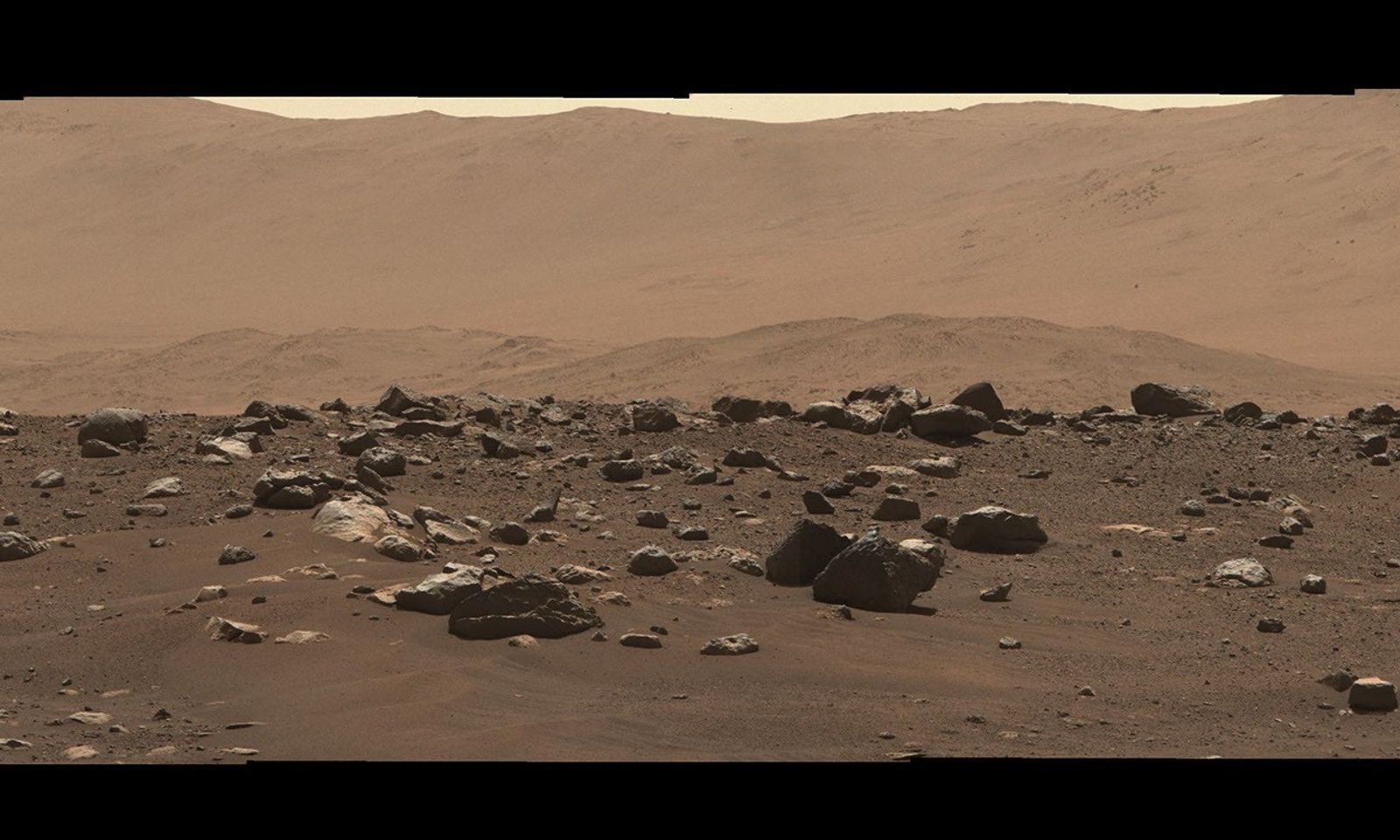
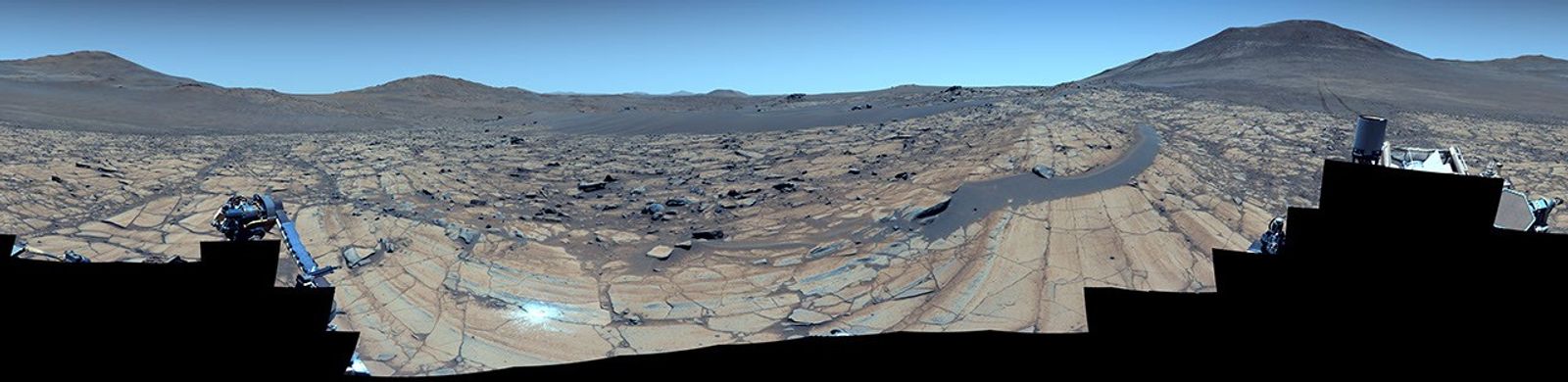
Cover: NASA/JPL-Caltech; authentic Mars surface imagery, 2025, from NASA photojournal. Image source / archive. An actual spacecraft or telescope image is not a photograph of a future event.