The first human landing on Mars would be a monumental accomplishment. It would not, by itself, make Mars a second home. A settlement must work on its worst day, not only during a successful landing broadcast.
Three facts to start with
- Mars currently has no permanent human residents; NASA describes it as a future exploration goal.
- Radiation, low gravity, isolation, distance and hostile closed environments remain the principal human risks.
- A permanent settlement is much harder than a short-duration research base; there is no established date for self-sufficiency.
Landing is not colonization
NASA and other agencies pursue the technologies needed for future human exploration: large cargo delivery, life support, surface systems and safe return. A landing proves that a crew can arrive and, if the mission succeeds, return. Colonization implies an enduring population with dependable food, water, air, energy, healthcare, repairs and governance.
Even the International Space Station, which operates close to Earth, requires resupply and extensive mission support. Mars puts the same challenge months away, with communication delays and launch opportunities governed by planetary orbits.
Why the trip itself is a medical problem
NASA groups the most important hazards into radiation, isolation and confinement, distance from Earth, gravity fields, and hostile or closed environments. The problems interact: radiation protection affects mass; mass affects launches; constrained volume affects physical and mental health.
Mars has no Earth-like global protective magnetic field or thick atmosphere. Surface shelters and transit spacecraft need shielding strategies. We also do not have decades of human data establishing how bodies develop, age and recover from illness at Martian gravity.
The logistics of daily life
Breathing air, safe drinking water and food are continuous processes. Air and water can be recycled, but real systems need energy, filters, sensors, hardware replacement and human oversight. A settlement must also handle waste, fire, pressure leaks, toxic contamination and medical emergencies.
Growing food locally is attractive, but a greenhouse still needs a closed environment, water, nutrients, microbial controls and dependable light or electricity. A first settlement would likely import vital equipment even if it produces some water or oxygen on location.
The economics nobody can ignore
A self-sustaining settlement would need the ability to manufacture or repair many systems that Earth currently makes across entire industrial supply chains. A failed valve, semiconductor or life-support controller could threaten a remote base long before a replacement arrives.
Spaceflight costs can fall and autonomy can improve, but lower launch prices do not abolish the engineering complexity of doing chemistry, manufacturing and emergency medicine on another world. “Self-sufficient” is an extremely high bar.
What milestones would count as real progress?
A repeatable crewed Mars landing and safe return would establish one class of capability. Demonstrated surface power and autonomous water extraction at meaningful scale would establish another. Long-duration habitat operation, reliable agriculture and measured health outcomes would move the discussion closer to settlement.
Independent assessments should report those milestones separately. It is misleading to convert an aspirational announcement or a single robotic demo into a claim that a permanent city is imminent.
So will it happen?
The laws of physics do not rule out protected human settlements on Mars. Yet neither science nor current budgets justify promising that millions of people will live there by a particular date. The strongest case for a long-term human presence depends on many technologies working together over decades.
A more useful way to ask the question is: what would have to work before people could safely stay? That is a concrete question that mission designers, medical researchers, engineers and future public policy can actually test.
Primary sources & research
This independent SJK explainer uses public scientific observations and research. Evidence can evolve; follow the linked research agencies for updated findings.
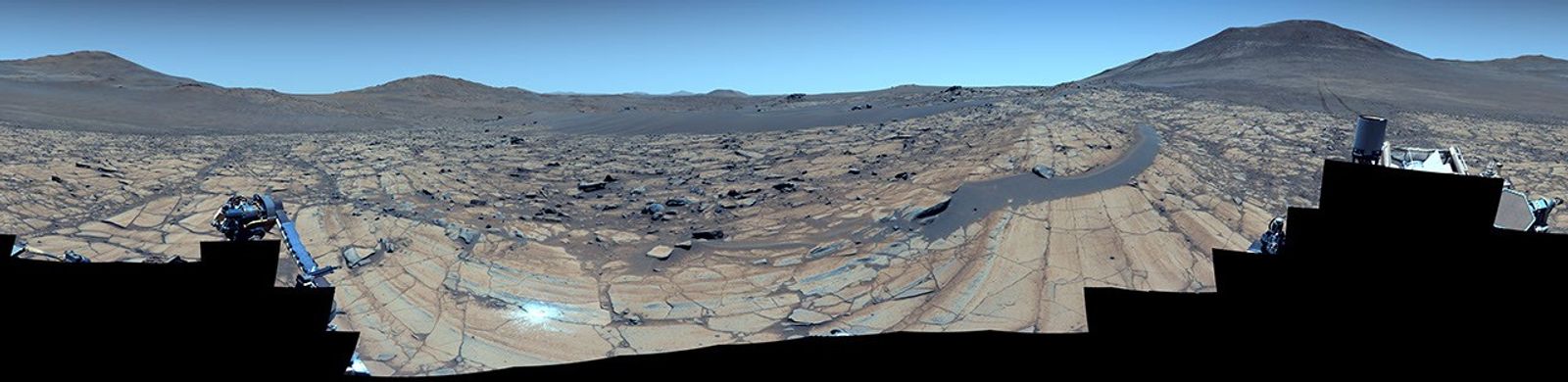
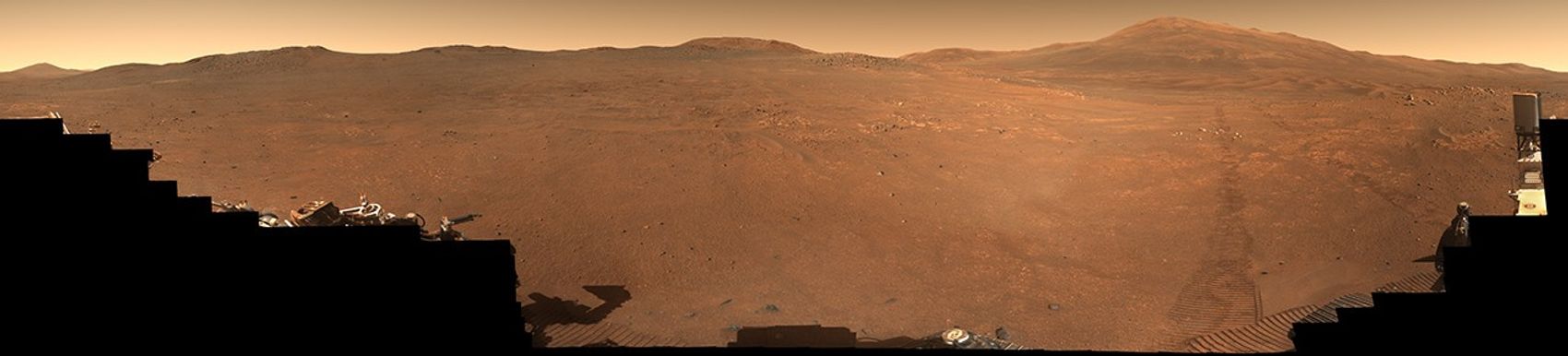
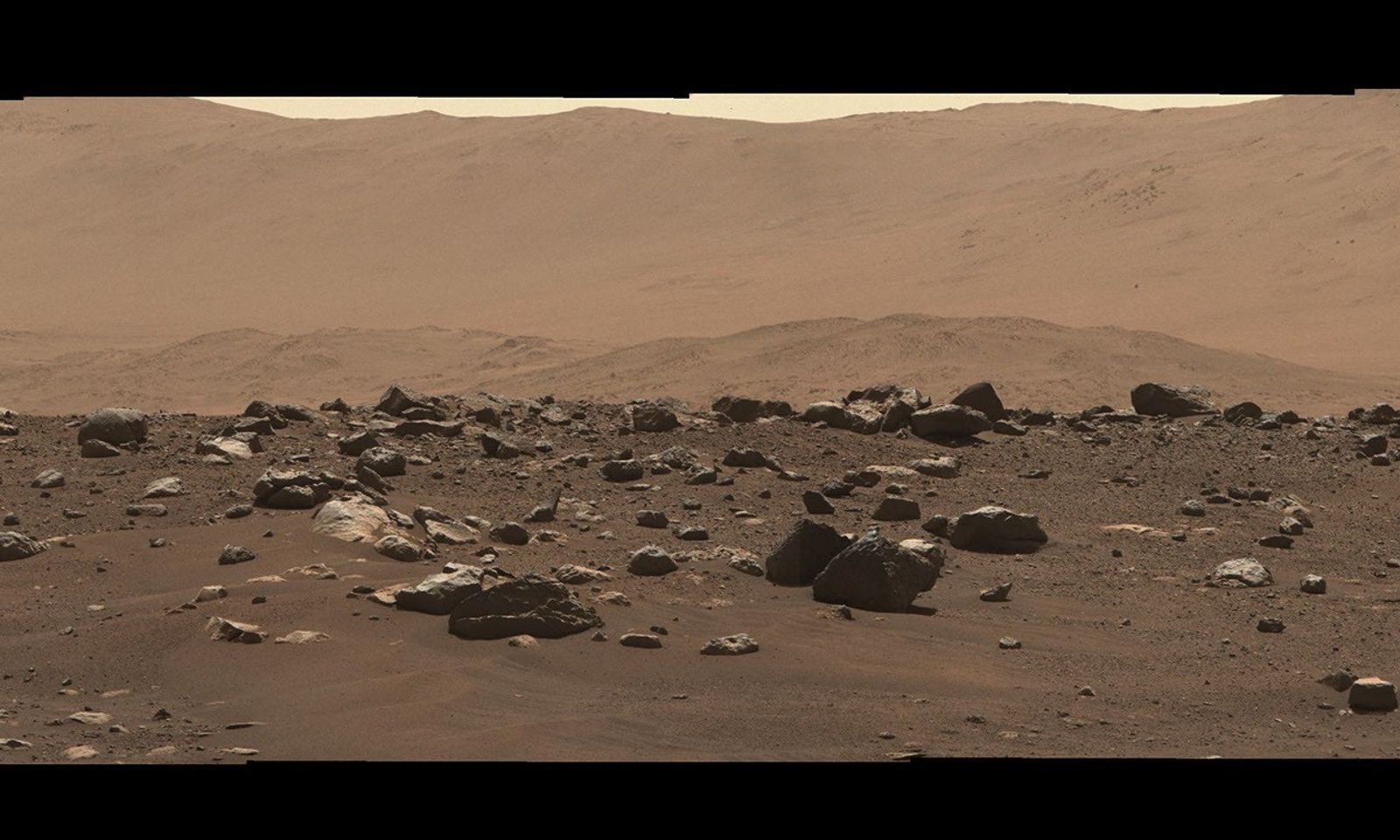
Cover: NASA/JPL-Caltech/ASU/MSSS; real Perseverance Mars panorama (archival). Image source / archive. An actual spacecraft or telescope image is not a photograph of a future event.