
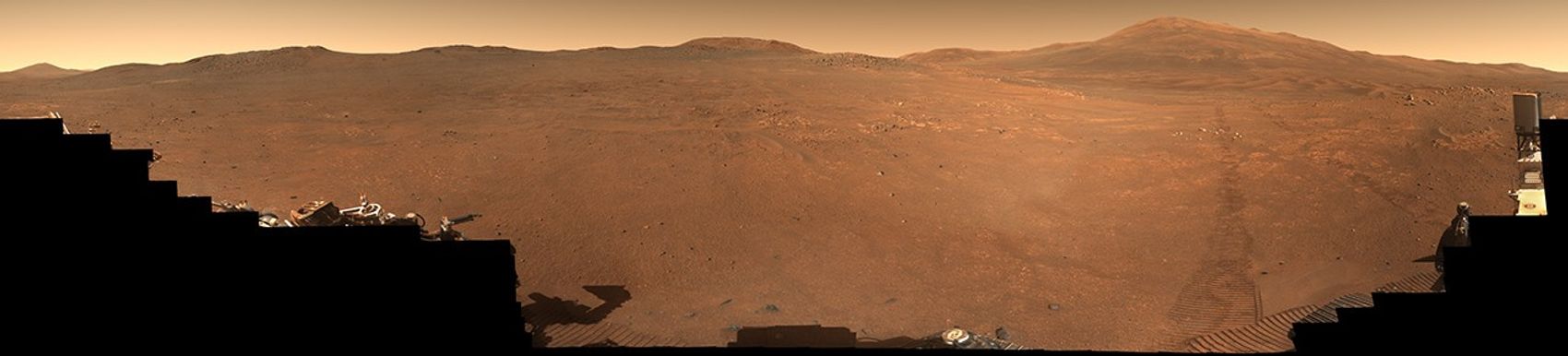
MARS / 100-YEAR FORECAST
Mars, 100 years from now
A century from now, Mars may host science outposts—or none at all. We separate today’s data from the engineering and political choices that would make a permanent foothold possible.
READ EXPLAINER ↗Could Mars become a permanent home? How far could humans travel? Does gravity change time? Nine evidence-based explainers on the universe we know—and the future we can responsibly imagine.
What a real settlement would need, the actual atmospheric limits, and the technologies that might bring crews there.
MARS / 100-YEAR FORECAST
A century from now, Mars may host science outposts—or none at all. We separate today’s data from the engineering and political choices that would make a permanent foothold possible.
READ EXPLAINER ↗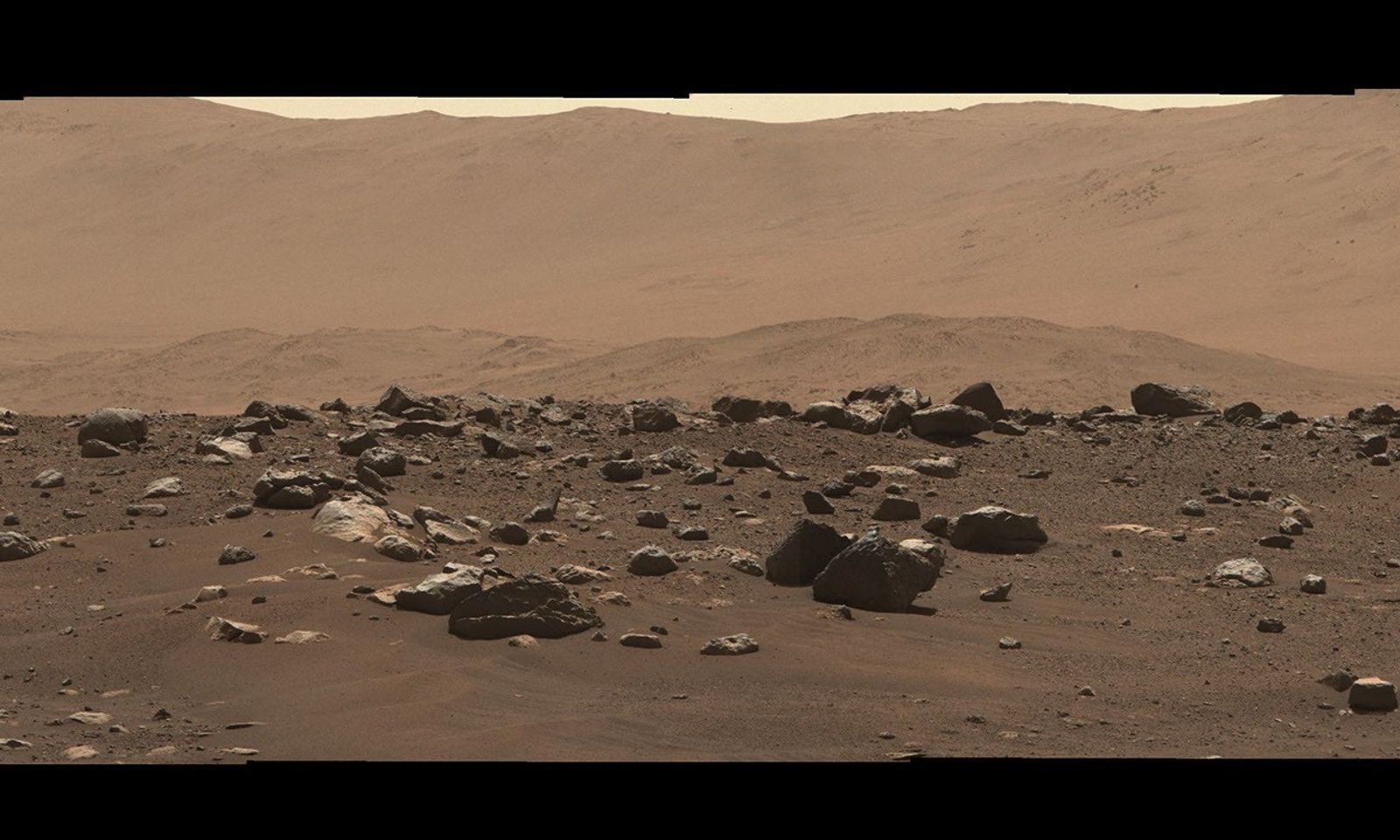
HUMAN EXPLORATION / MARS
Getting to Mars is one mission. Staying alive, healthy and supplied for decades is another. Here is how scientists judge the distance between an astronaut visit and a self-sustaining settlement.
READ EXPLAINER ↗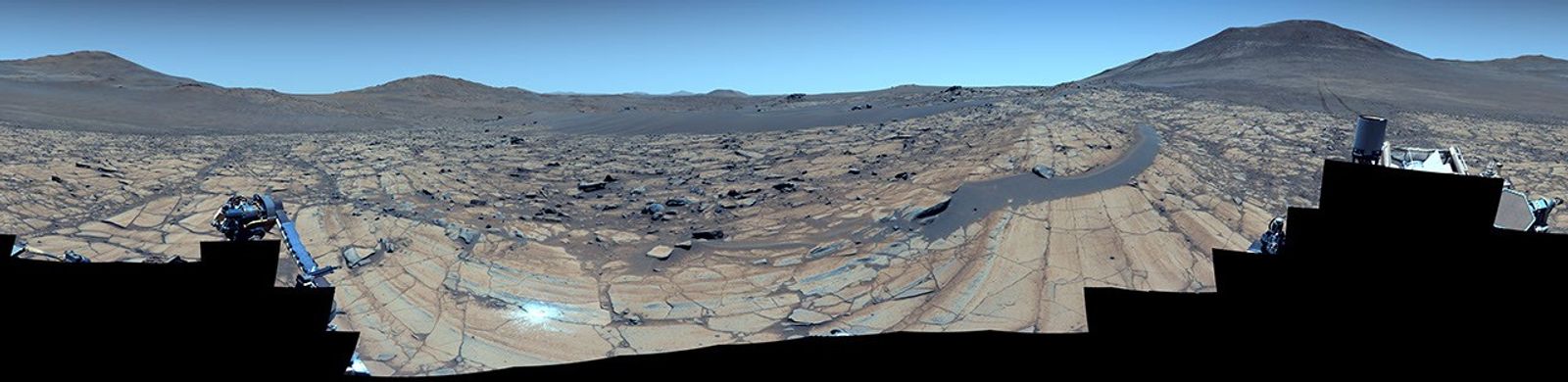
MARS / PLANETARY ENGINEERING
Turning Mars into an open-air second Earth is not the same as building a safe habitat there. Here is what atmospheric science says about the staggering difference.
READ EXPLAINER ↗Which planet is closest, what Saturn tells us, and why Europa is so compelling to planetary scientists.
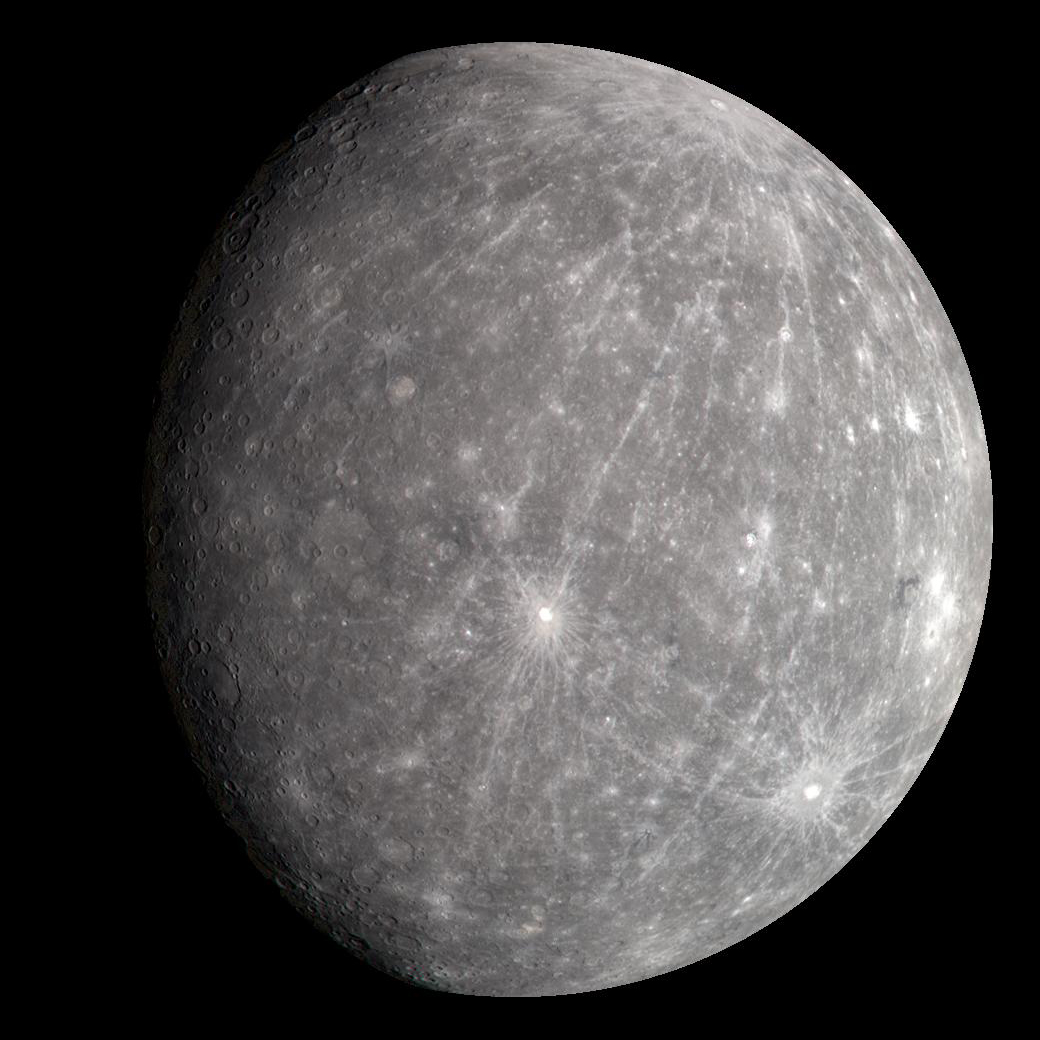
SOLAR SYSTEM / PLANETARY SCIENCE
Venus makes the closest approach. Mercury spends the most time nearest Earth on average. Both statements can be right, and the orbital geometry explains why.
READ EXPLAINER ↗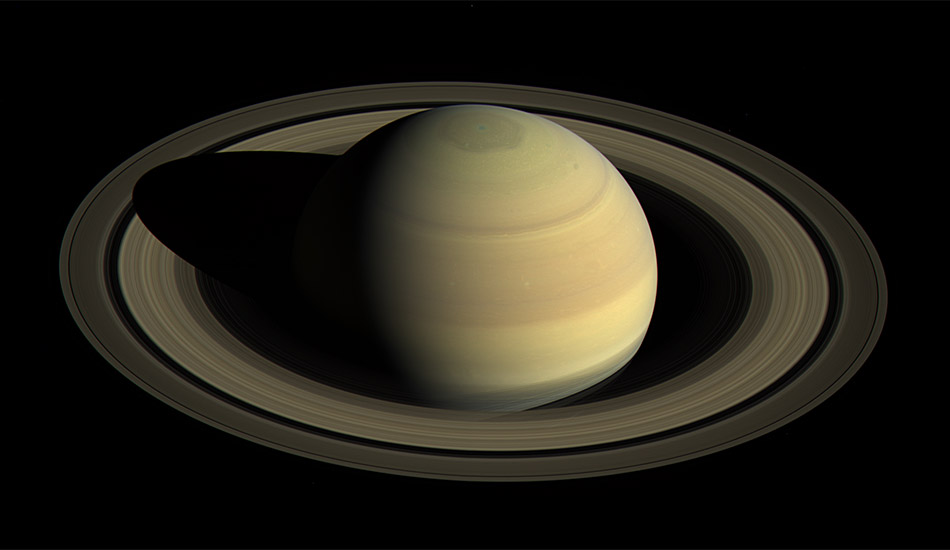
SATURN / EXPLAINER
Cassini changed what we know about the giant planet and its moons. From the real shape of the rings to Titan’s methane seas and Enceladus’s hidden ocean, the evidence is spectacular.
READ EXPLAINER ↗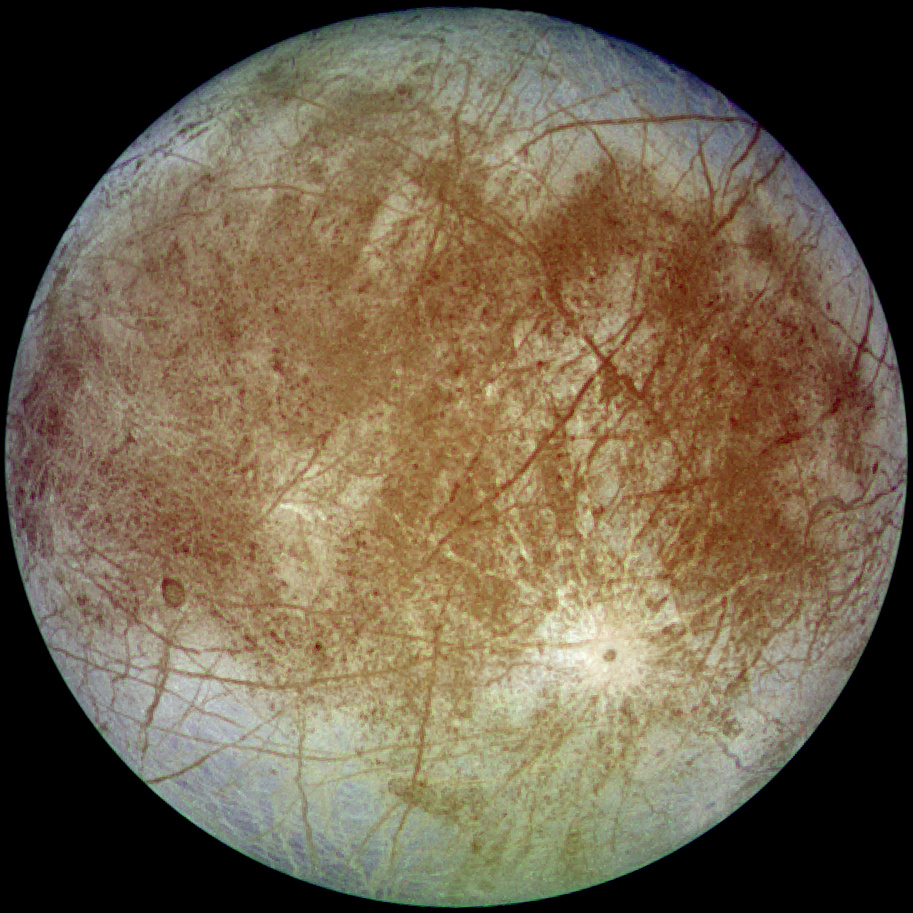
EUROPA / OCEAN WORLDS
Jupiter’s icy moon might have water, energy and chemistry favorable for life. NASA’s Europa Clipper is designed to test habitability—not to announce alien organisms.
READ EXPLAINER ↗A distant galaxy, observable black holes and Einstein’s actual predictions—not imaginary shortcuts.
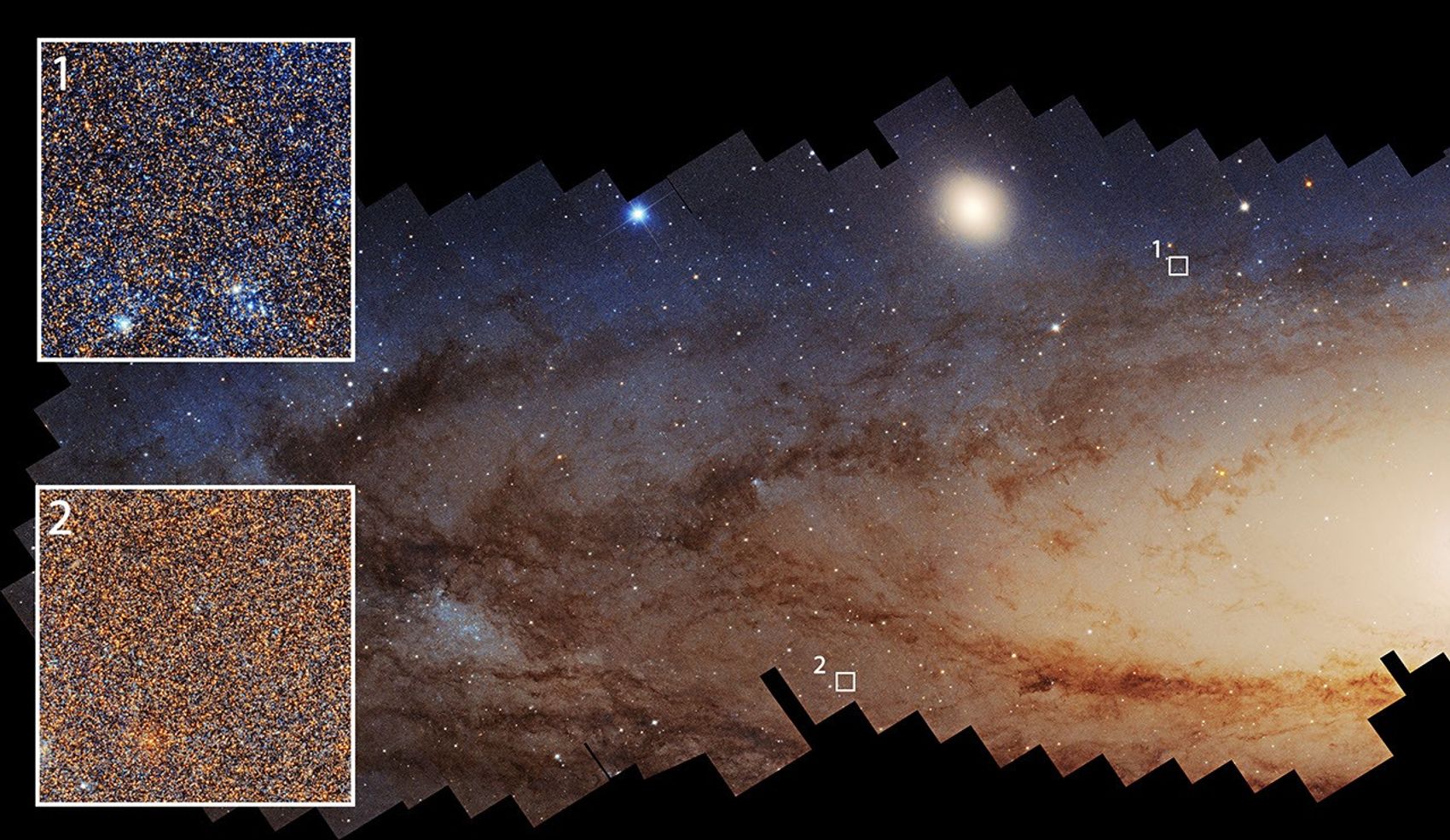
DEEP SPACE / DISTANCE
Andromeda is our nearest major galaxy, about 2.5 million light-years away. Here is what real propulsion physics, relativity and honest uncertainty say about a human journey.
READ EXPLAINER ↗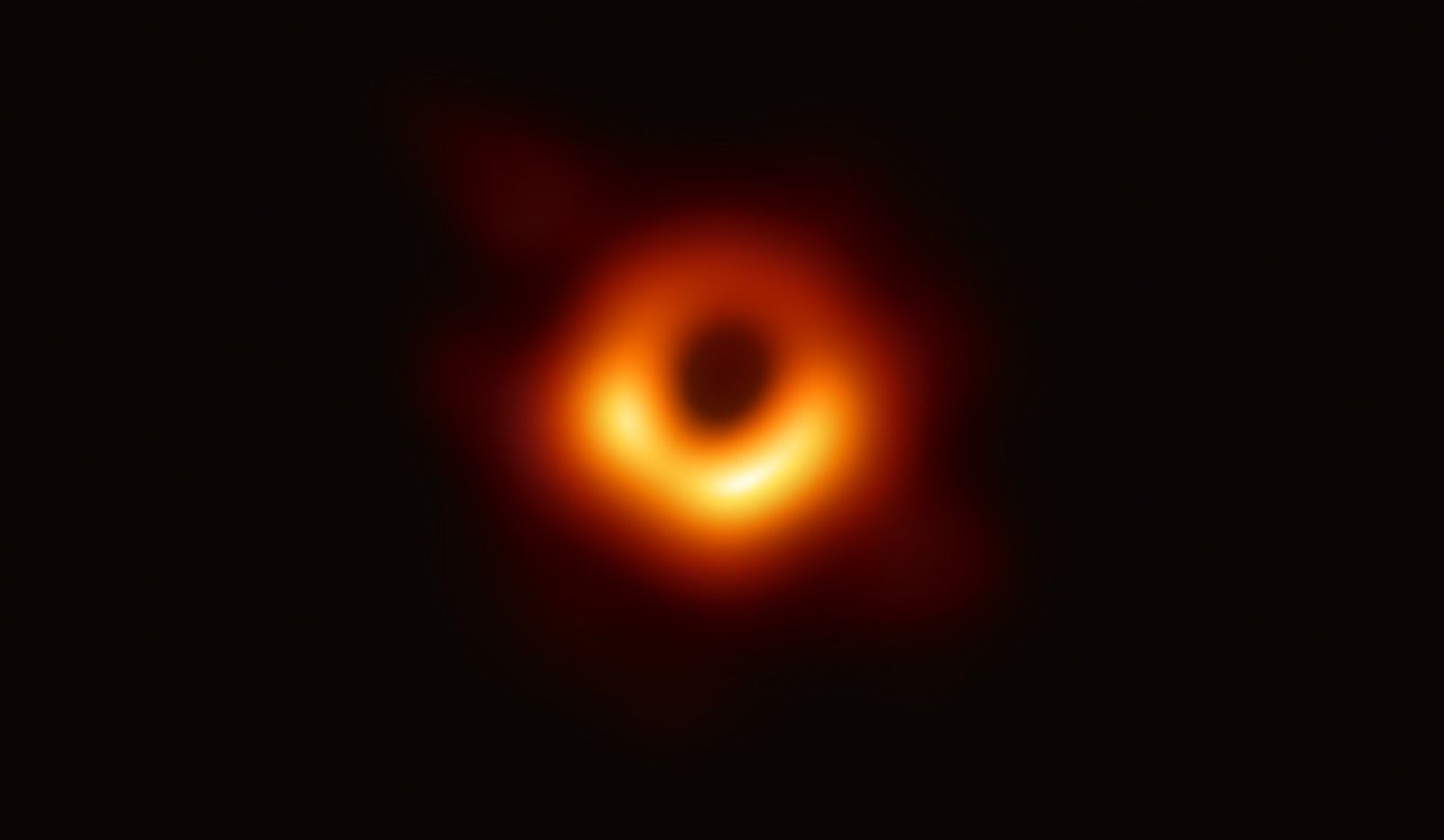
PHYSICS / SPACETIME
Einstein did more than change our idea of gravity. His theory describes a connected spacetime in which clocks, light and motion all respond to geometry.
READ EXPLAINER ↗
PHYSICS / TIME TRAVEL
Traveling into the future at a different rate is real physics. Traveling into the past has never been demonstrated. We separate relativity, wormholes and familiar movie claims.
READ EXPLAINER ↗